
The Caretaker archetype represents the part of you that nurtures change and nourishes wellbeing. It is the part of your personality that is dedicated to developing new habits that are helpful, positive and constructive.
Being helpful, positive and constructive stimulates emotional nourishment.
This energy enables you to recognise your responsibilities and to follow through on your commitments. The Caretaker deals with mundane tasks and goes about their business happily.
When this part of your personality is not integrated, you see mundane tasks as a burden.
When developed, the Caretaker archetype is the part of you that gets things done, not because you have to, but because you recognise the purpose. You see the bigger picture.
This archetype, therefore, keeps life running smoothly through small, deliberate acts of care: cooking nutritious meals, faithfully adopting constructive routines, managing time wisely, or offering compassion to a friend in need.
At its core, the Caretaker ensures consistency because repetition leads to mastery.
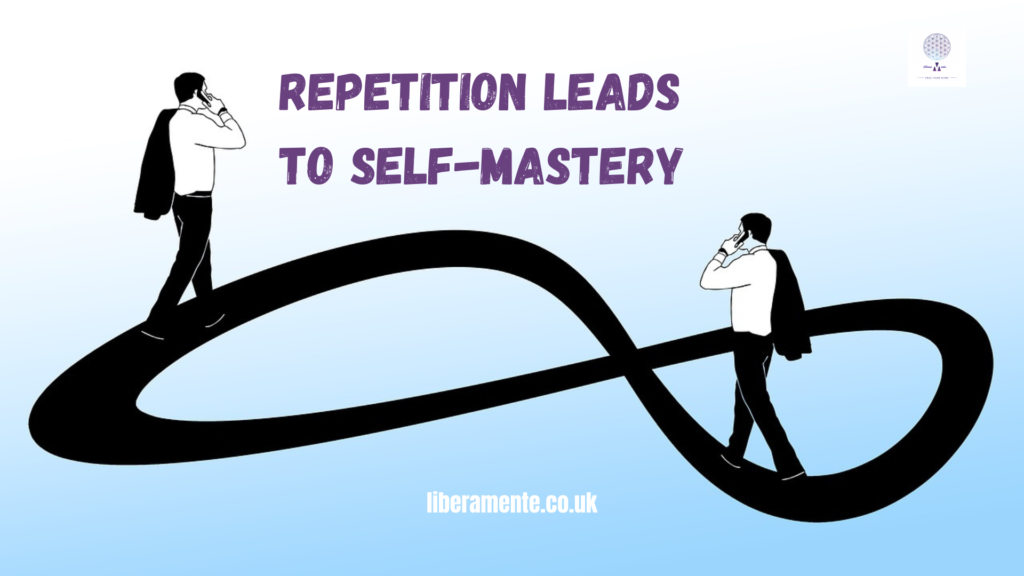
It should be noted that repetition can also lead to destruction. But because the Caretaker promotes growth and abundance, when this part of your personality is clear on your intentions, it keeps you focused on the right actions.
On a psychological level, this archetype creates psychological safety by reinforcing your emotional structure. It enables you to convert outdated behaviours, beliefs and attitudes with new ways of being that nourish your well-being.
When this archetype is developed, you don’t rely on motivation alone — you recognise what you need to do and your sense of purpose takes over.
You feel grounded and emotionally resilient because the Caretaker ensures that your needs and obligations are met day after day. It’s the part of you that says: “Take care of the vessel, and the voyage will take care of itself.”
The Developed Caretaker: Compassionate, Grounded, and Consistent
When the Caretaker is well-developed, you show up as attentive, dependable, and patient. You prioritise responsibilities, and you’re happy to champion others.
People with a maladapted Caretaker personality are often people pleasers. A development goal for this archetype is to help others without losing sight of your own needs. The attitude I adopt is to only agree to help others if I have the time, energy and resources to do so.
The only exception to that rule is when there is an obligation that takes priority over everything else. For example, when I am caring for my mum with Alzheimer’s, I willingly give up my time to tend to urgent needs even when I am short on time.
Whilst the Caretaker personality operates from the goodness of your heart, there are times when you want to teach, guide, and nurture autonomy in others.
Empathy is a key quality in people endowed with the Caretaker archetype. You sense the needs of others intuitively. But you’re wise enough to recognise you have boundaries and limitations of your own.
When developed, you don’t seek to rescue people because you want to feel helpful, useful and appreciated; you provide a helping hand and nurture others to encourage skills and confidence. The expression, give a man a fish is a good analogy for the Caretaker.

People with a dominant Caretaker archetype who give away their energy risk becoming ill. Subsequently, they are not in a position to be helpful, useful and appreciated. This is the Caretaker’s biggest fear.
You’ll recognise when the Caretaker is developed in yourself when you:
- Keep promises to yourself and others.
- Approach challenges with patience and perspective.
- Offer generosity and kindness with clear boundaries.
- Feel fulfilled when helping others, not drained.
- Maintain consistent habits that are helpful, constructive and positive.
When the Caretaker Archetype is Repressed
When the Caretaker is underdeveloped (suppressed or repressed), you may struggle to maintain the focus and persistence you need to reach your goals.
A lack of self-respect is a major problem for this archetype. Your first thought is to take care of other people’s needs at the expense of your own. This can be caused by underlying feelings of guilt and shame, but may also be because you learned from an early age that you receive gratitude and attention when you do things for others.
Moreover, you don’t ask others for help even when you need it. The Caretaker personality hates to think of themselves as a burden. You don’t take, you only give. Eventually, you become so overwhelmed you suffer from burnout.

In your mind, you over-give to demonstrate kindness and generosity. The truth is, you don’t want to appear mean or selfish.
The undeveloped Caretaker is a chronic worrier. You worry that people will think you are selfish and unkind if you are not sharing, giving, or generous. Even when such intrusive thoughts are irrational, unfounded or may never occur in the first instance, this powerful subconscious program can influence your decision-making.
The motivation of the Caretaker is to feel needed, useful and appreciated. If this archetype is a dominant personality in your psyche, you can feel at odds with yourself if you are not serving a function.
You also experience this energy in the form of guilt whenever you take time for yourself rather than doing something for others.
In a severely repressed state, the Caretaker is a meddler. If nobody asks you to do anything, you find something to do. However, in doing so, you impose a self-fulfilling prophecy on yourself.
The Caretaker’s biggest fear is to not be appreciated. The meddling Caretaker is the mother who tidies her child’s room and annoys the child; the wife who chooses her husband’s shirt and tie for the day and makes him incompetent; the friend who takes you shopping because they think you need a pick-me-up when all you want is a hug.
This version of the Caretaker believes, “If I’m needed, I feel valued.”
In reality, people do not appreciate meddlers making decisions for them.
Causes for the Repressed Caretaker Archetype
The Caretaker archetype emerges when love and approval are only given when you are useful.
Children who are consistently dismissed, ignored and neglected by their parents feel like an annoyance. You develop an inner belief that you’re a burden. This person often feels incompetent because they neglected to learn relationship skills that nourish well-being or life skills that are useful.
Signs your Caretaker is repressed or imbalanced include:
- Difficulty saying no or setting boundaries.
- Feelings of guilt when you take a break or prioritise yourself.
- Burnout and chronic fatigue.
- A pattern of one-sided relationships where you give more than you receive.
- Ruminating about nobody doing anything for you (because you don’t ask)
- Martyr complex
At its most extreme, the repressed Caretaker develops a martyr complex — over-identifying with suffering and self-sacrifice as a means to elicit compassion from others. You need compassion and validation from others because you are incapable of being compassionate towards yourself.
This archetype becomes a chronic complainer, ruminating that you do everything for others and nobody does anything for you. So you push yourself even more to prove a point in a vain attamept to illiciat sympathy.
However, the more you moan about people and what you do for others, the more you come across as negative, bitter and ill-tempered.
Continue along this path, and you risk becoming apathetic and depressed.
Integrating the Caretaker: From Guilt to Growth
To integrate this archetype, you must learn to care of your emotional needs.
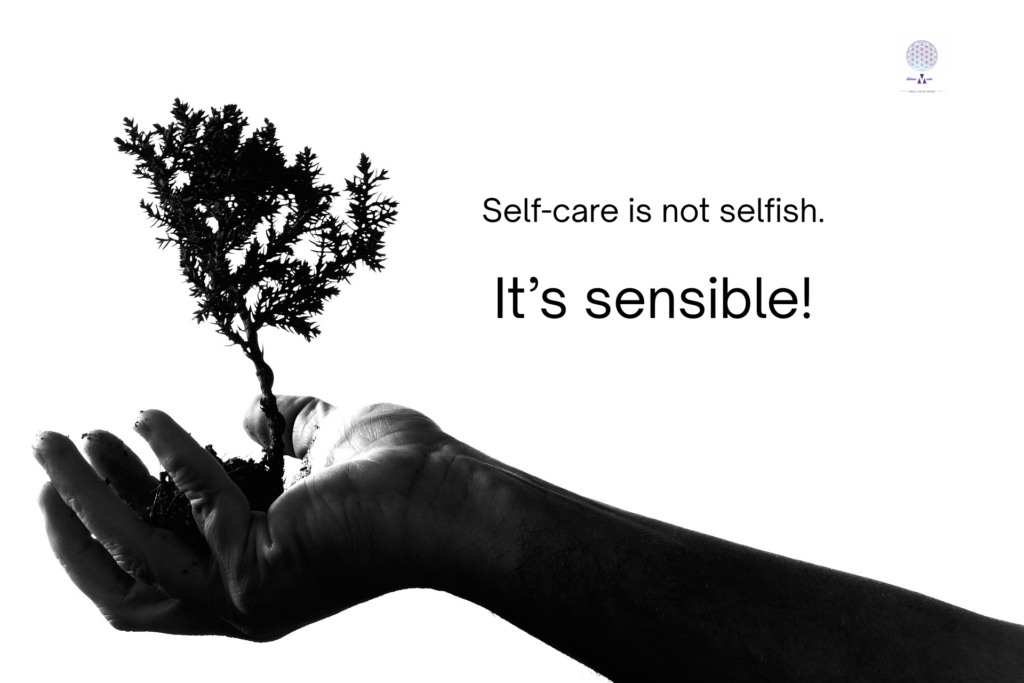
An important lesson for the undeveloped Caretaker to learn is that taking care of yourself is not selfish, it’s sensible. Without your health, energy and resources, you are not in a position to be helpful, useful and appreciated.
When you give yourself permission to rest, set boundaries, or decline requests that don’t align with your priorities, you’re not being true to yourself — your Self.
A developed Caretaker knows:
- Saying “no” when you feel overwhelmed is self-protection.
- Helping others doesn’t mean you are responsible for solving their problems. You’re there to offer support, compassion and empathy.
- Recognising the purpose of mundane tasks give you the motivation to get it done without it feeling like a chore.
Developing this archetype also means creating systems that support your well-being. That might look like:
- Scheduling self-care commitments as routinely as you schedule work responsibilities.
- Setting daily habit-changing challenges as priorities and sticking to them.
- Creating small rituals — morning stretches, journaling, engaging in activities that provide emotional nourishment.
- Checking in with yourself before agreeing to take something on. The rule of thumb here is to ask whether you genuinely want to offer help, or whether it’s an unconscious drive to satisfy your need to feel useful, appreciated and needed.
The Essence of the Caretaker Archetype
The Caretaker’s gift is the ability to sustain the things that are most important in your life — nourishing your emotional well-being.
It’s the archetype that nurtures your central nervous system and transforms emerging needs into automatic programs. Just as a farmer tends his fields to yield the fruits of labour, the Caretaker tends to your neural networks to ensure personal growth.
Think about it this way: you can’t take care of anything if you’re not fit and well.
If you don’t take care of yourself, you become ill or incapacitated somehow. This is your gravest fear — the inability to be helpful, useful and appreciated becomes a self-fulfilling prophecy.
You become the burden.
Get to know your Archetypes
Do you recognise the Caretaker in your personality? Does it need healing?
If you feel you need to develop your Caretaker archetype, reach out to Rich on the contact form below to schedule an appointment.
Alternatively, sign up for our Self-Development Program, Beyond The Comfort Zone: Heal Emotional Wounds and learn how to transform your life by developing the parts of your personality that have been ignored.
