
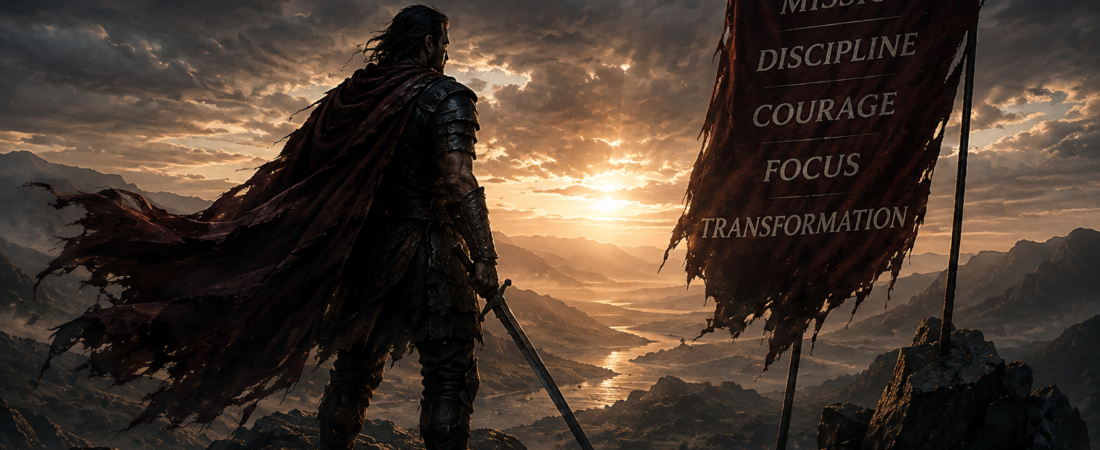
The Warrior archetype is the psychological force that gives you discipline, composure, determination and resilience. When life becomes difficult, the Warrior enables you to remain steady, assess the situation and keep moving towards your objective.
This part of your personality is battle-hardened, the source of aggression. But when developed, you have learned to harness aggression and convert it from a potentially destructive force into a constructive response.
A healthy Warrior doesn’t use aggression or power for violence. You use to push back against ego-resistance and stand in your personal power when your opinions or personal integrity are challenged by others.
When the Warrior is underdeveloped, however, you may struggle to cope with your emotions. When you become overwhelmed by emotions, you struggle to contain them and can descend into a red mist.
A wounded Warrior is also driven to overachievement. If you don’t get what you want, you try to dominate your environment through fear, and control others with intimidation tactics and threats.
Developing the Warrior therefore means learning how to nurture mental strength and take control of your emotions. Being strong does not mean being hard, aggressive and stoic.
Inner strength involves developing self-discipline without being too rigid, being assertive when required and acknowledging your limitations when you fall short of your goals.

The Function of the Warrior Archetype
The function of the Warrior is to actively engage in mission-driven goals. This is the archetype that gives you the self-discipline to battle through the fear of change to defeat and transform habitual programs.
Its primary functions are to:
- Develop self-trust so you can act despite uncertainty.
- Regulate your emotions when circumstances become stressful.
- Build resilience so setbacks do not cause you to abandon your goals.
- Develop discipline so you continue when motivation disappears.
- Think strategically rather than reacting impulsively.
- Accept responsibility for your decisions and their consequences.
- Protect your boundaries and stand up for what matters.
- Persist through difficulty without losing sight of your objective.
The Warrior understands that strength is not measured by how aggressively you respond to opposition. It is measured by your ability to remain composed and purposeful when opposition appears.
How to Recognise a Developed Warrior
A developed Warrior possesses a quiet inner strength. You do not boast, you do not intimidate, and you do not seek attention to be recognised and respected. Centred and secure, you know who you are, what you want and how to get it.
But the developed Warrior is not selfish or self-serving. You can see the bigger picture, and you’re willing to make personal sacrifices if it means doing the right thing for others.
This archetype is not a people-pleaser like the Caretaker and the Everyman. You protect your boundaries. Secure in yourself, you don’t need validation, nor do you need everyone to like you.
Individuals with a strong Warrior can trust your ability to deal with whatever happens next. This does not mean believing that everything will work out exactly as planned. It means trusting yourself to respond effectively if it does not.
You are not afraid to make mistakes because you recognise you have limitations and room for improvement. This creates a willingness to act despite uncertainty.
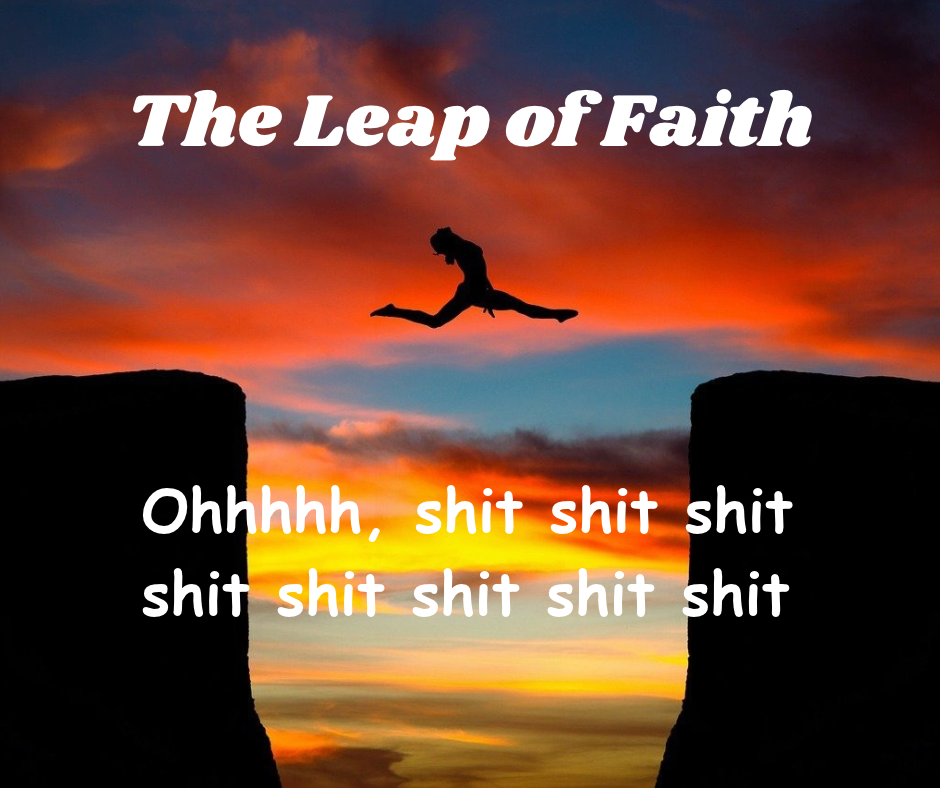
Failure does not automatically become a verdict on your ability or self-worth. Instead, it provides feedback you can learn from. Ask:
- What went wrong?
- What can I learn?
- What needs to change?
- What should I try next?
When the Warrior is developed, you can accept responsibility for your actions. You do not need to blame other people when something goes wrong. Moreover, you can acknowledge mistakes, correct them and move forward.
A developed Warrior does not allow fear, anger or discomfort to dictate your life. You may experience intense emotions but can control them without immediately acting on them.
You pause, assess and respond.
With the capacity for strategy, the Warrior can consider consequences before acting. They understand that winning one battle might mean losing the war.
They think beyond the immediate situation, consider other people’s interests and make decisions based on the outcome they ultimately want.
How to Recognise an Undeveloped Warrior
When the Warrior has not matured, you may struggle to deal with stressful situations, resistance from others and the mounting pressures of life.
You become discouraged after failure, refuse to accept accountability and deflect blame. If you feel insulted or disrespected, you will hold a grudge, retaliate and respond in anger — or even violence.
In their book, King, Warrior, Magician, Lover: Rediscovering the Archetypes of the Mature Masculine, Robert Moore and Douglas Gillette describe two shadow expressions of the Warrior: the Sadist, which directs aggression towards others, and the Masochist, which directs it towards the self.
The Sadistic Warrior attempts to gain power through intimidation, domination and aggression.
In circumstances that cause you to feel powerless, you bury them by unconsciously attempting to appear powerful.
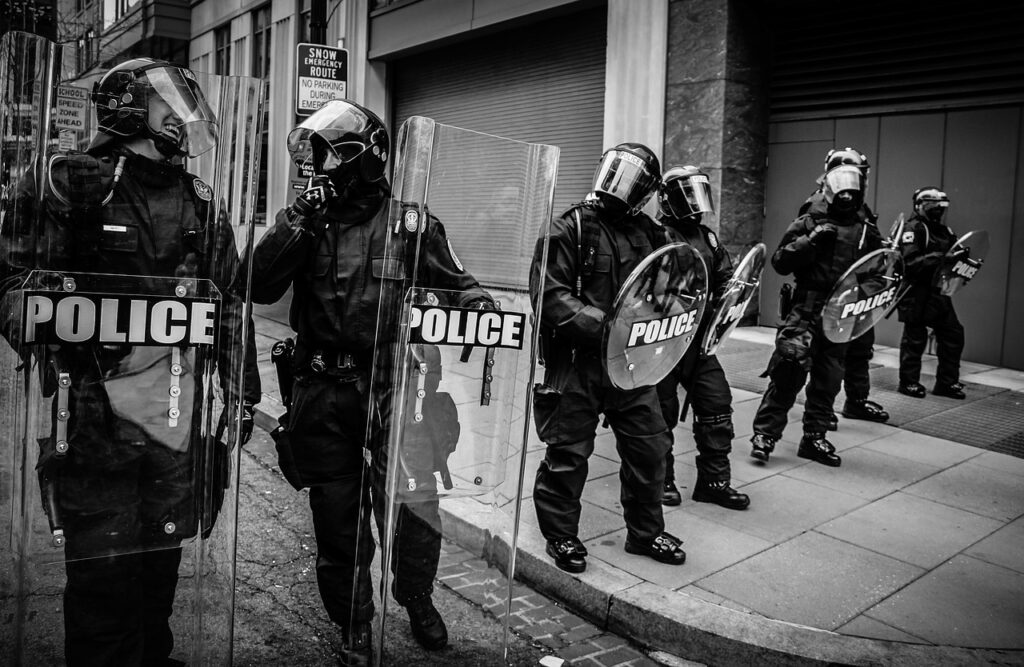
The Masochistic Warrior, on the other hand, turns the same destructive force inward through self-punishment, reckless behaviour or a willingness to endure unnecessary suffering.
Signs of an undeveloped Warrior can include:
- antagonistic narcissism
- difficulty trusting yourself
- emotionally unavailable
- aggression or intimidation
- controlling behaviour
- excessive competitiveness
- holding grudges
- refusing to accept responsibility
- taking unnecessary risks
- difficulty respecting boundaries
- defensive when criticised
These behaviours may appear very different, but they can have the same underlying problem: the Warrior has not learned how to manage stress effectively.
And that can have a knock-on effect. You refuse to accept the responsibility of success on the pretence that some of your friends will look down on you because of your elevated status.
This disposition is known by psychologists as the Jonah complex, which you can read in the article titled Jonah Complex: The Fear of Success.
The defining quality of the Warrior archetype is the willingness to act even though your emotional programming is resistant to the idea of change.
The Warrior is willing to experience discomfort. Willing to make mistakes. Willing to hear criticism. Willing to delay gratification. Willing to continue when progress is slow. Willing to confront difficult conversations.
It is willingness that separates the mature Warrior from the immature Warrior. The latter lacks self-discipline and projects their weaknesses onto others. The developed Warrior realises that self-discipline is required to manifest your goals — desire is the drive, but the dirty work is where the magic happens.

Developing the Warrior Archetype
Strengthening the Warrior does not mean forcing yourself to become aggressive, tough or suppressing your emotions.
It means developing the capacity to remain emotionally regulated under pressure, and taking purposeful action despite ego-resistance and discomfort.
You strengthen the Warrior by harnessing emotional energy and balancing the Thinking Brain with the Emotional Brain. You build self-trust by controlling your emotions and keeping the promises you make to yourself.
When you become disciplined, resilient to failure and willing to experience difficulty, you learn that discomfort is not necessarily a signal to stop.
It’s the opportunity for growth.
When the Warrior is developed, you become more capable of thinking clearly under pressure, adapting your strategy and continuing towards your objective.
Stepping into the Warrior archetype is not an easy ride, but it does give you the inner strength to meet life as it is.
You learn to trust yourself and persist.
And you learn that real strength is not about overpowering the world around you, but about becoming strong enough to face challenges without sacrificing yourself.
Want to know more about the Warrior Archetype?
Libera Mente has developed an archetypes model that explains the functions, motivations and emotional wounds that influence your life.
You will learn how to recognise whether archetypes like the Warrior are developed or undeveloped, and how they shape your experiences in life.
If you want to overcome persistent conflicts, challenges and problems, sign up for our self-development program today and transform your life by moving Beyond The Comfort Zone.
Each month, you will work with a different archetype and discover whether that part of your personality is helping you to manage your life effectively, or whether it is too one-sided and unbalanced.
When an archetype is carrying an emotional wound, our archetype model explains what the wound is, how it was caused and how its maladaptive behaviours are creating problems in your life.
More importantly, our self-development program shows you how you can resolve undeveloped parts of your personality and integrate archetypal qualities you need to be more successful, peaceful and fulfilled.
