
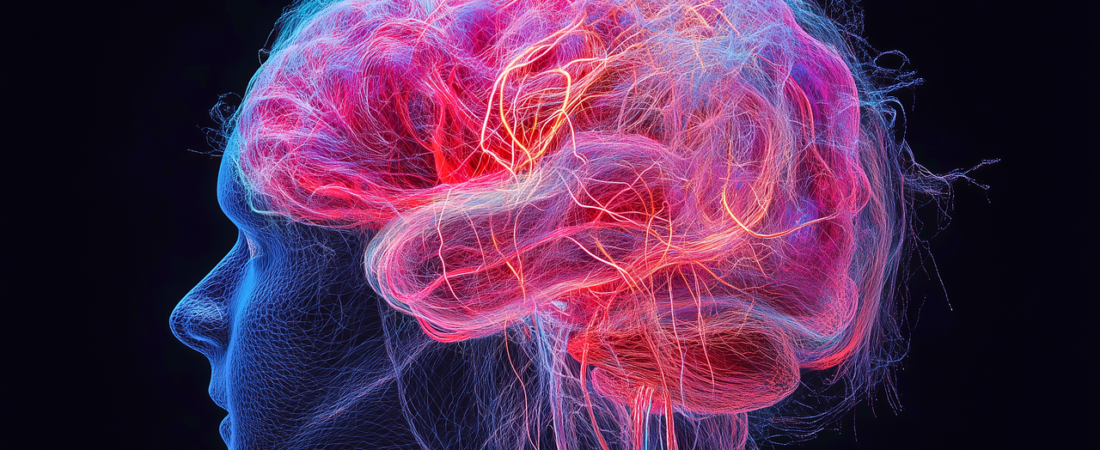
In the last few decades or so, scientific discovery has enabled us to learn much more about the nervous system works than we previously knew.
And, quel surprise, some of the old assumptions were wrong and misled the medical profession for decades. Sadly, some of the new discoveries are still being ignored.
One of the most important things to understand is that your nervous system is the cause of maladaptive behaviours. The information processed by neural networks is causing you to be unhelpful, negative and destructive and it creates problems, challenges and conflicts.
Moreover, the information processed by neural networks has nothing to do with you being born that way. Who you are has little to do with the genes you inherit. It has much more to do with how your cells become programmed by life experiences.
The way you think, feel and behave is influenced by information your nervous system has absorbed and stored throughout your life.
Frontier sciences have gathered evidence that is changing the narrative and challenging the traditional idea about how the nervous system works. It has been determined that the nervous system takes information from the external environment and processes it into an internal world that is personal to the individual.
Your environment, therefore, has a significant influence on how you think, how you feel and how you behave.
Life experiences determine the way genes function and adapt to life moving forward.
In short, you either fully adapt, partially adapt, or don’t adapt at all.
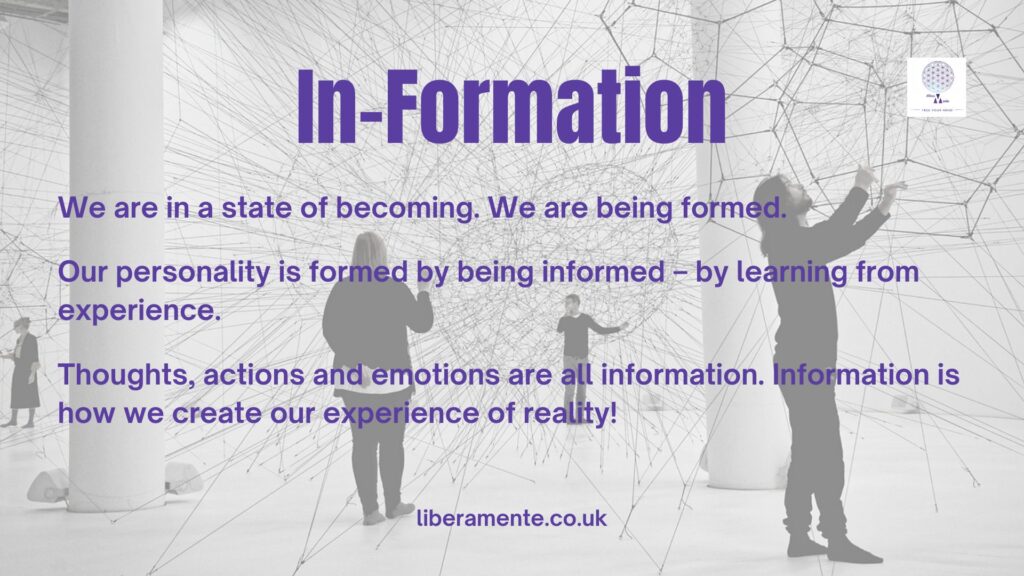
The Adapting Gene
A gene can be understood as a storage unit embedded in a cell. Cells are the building blocks of life, and the information stored within genes provides instructions that influence what cells do.
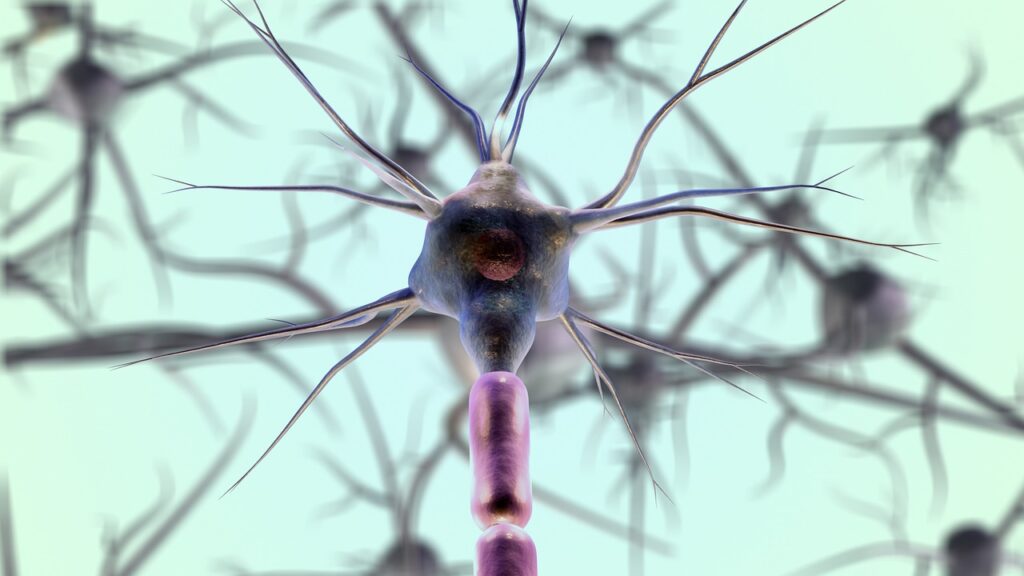
Neurones, a type of nerve cell, communicate with neurones in other cells by sending electrical impulses. It is assumed the purpose of this signalling is to enable the body to function and protect the body’s overall wellbeing. This involves a sophisticated communication network culminating in different parts of the brain which decide how information will be processed.
Genes are responsible for producing proteins that help keep us alive. These include proteins involved in functions such as transferring oxygen, pumping blood and digesting food.
Genes are also strips of DNA that store information and provide instructions that influence how our bodies appear and function. Inherited genes from our parents contribute to physical characteristics such as the colour of our eyes and whether we have dimples.
In that respect, much of how we look is written into our DNA.
Although, of course, exercise can change how you look.
We also acquire certain characteristics from our parents. It was originally believed that characteristics have a genetic basis. Whilst this has not been disproven, it is shown that the majority of our behaviours are also influenced by learned experiences.
It stands to reason that we observe our parents and mimic their behaviour. We absorb information about how to behave from the environment in which we grow up.
The environment can therefore have a powerful influence on a child.
You will know from personal experience that your behaviours and attitudes can change. That being so, you can say for certain that genes are not fixed. Genes can change by adding information to the cell which enables you to adapt to your environment.
How Do Genes Communicate?
Cells receive new information from the environment through the five senses. This information becomes part of the complex system through which the body and nervous system respond to the world.
The quantum physicist, Dr Rulin Xiu observed:
“There is no matter that does not carry information and energy. Similarly, there is no energy that does not carry matter and information. And there is no information that is not carried by matter and energy. Matter and energy are the carriers of messages or information.”
Dr Rulin Xiu, Tao Science: The Science, Wisdom, and Practice of Creation and Grand Unification (2018)
Information from the environment is stored in cells, which consist of matter and process energy. This raises an important question.
If a cell processes information, can the information influence whether an action takes place?
According to the model outlined by the frontier sciences, yes.
The cell either accepts information and performs an action potential, or it does nothing when the information does not match.
As the National Research Council observed:
“All behavior is, in the last analysis, a reflection of the function of the nervous system. It is the organized and coordinated activity of the nervous system that ultimately manifests itself in the behavior of the organism.”
National Research Council
The nervous system, therefore, plays a central role in what you do, how you feel and how you think.
Essentially, the central nervous system controls your life. It is you.
A central piece of the nervous system puzzle is neurotransmitters.
A neurotransmitter is a chemical messenger that carries signals between neurones. You may know neurotransmitters by their code names, namely dopamine, serotonin, oxytocin etc. This cocktail of chemical messengers influences how you feel, what you do and how you think; i.e. through motivation, satisfaction, connection and love.
Imbalances in neurotransmitters like serotonin and dopamine can lead to conditions such as depression and anxiety.
Neurotransmitters can only act on other cells which have the appropriate receptors. The messages selectively bind. Basically, the receptors between cells, known as the synaptic cleft, either accept the incoming signal or refuse it.
The interaction between a neurotransmitter and its appropriate receptor initiates a response. The response is determined by the information that is active and has the most power to determine the cause of action.
This relationship between information, neurotransmitters and receptors helps explain how the nervous system works when processing and responding to the environment.
“A cell’s life is fundamentally controlled by the physical and energetic environment with only a small contribution by its genes. Genes are simply molecular blueprints used in the construction of the cells, tissues and organs. The environment serves as a “contractor” who reads and engages those genetic blueprints and is ultimately responsible for the character of a cell’s life. It is a single cell’s “awareness” of the environment that primarily sets into motion the mechanisms of life.”
~ Bruce Lipton, Biology of Belief (2005)
New Experiences and New Information
New experiences alter how the nervous system works for you. New information can prompt the formation of new neurones through a process known as neurogenesis, or information becomes part of an existing synapse.
This is important because new experiences and new information can create new behaviours. New In-Formation, when accepted, is added to neural networks, ultimately determines how you respond to life events and thus, how you experience reality.
Neural networks are archetypes.

As new information is introduced into the nervous system, it can build a store of information that strengthens new patterns. In symbolic terms, this can be compared to the mythological battle of the gods overcoming their oppressive fathers.
The old information does not necessarily disappear immediately. However, new information can become increasingly powerful through experience and repetition.
Repetition becomes a habitual pattern, an automated behaviour. The behaviour of the organism is determined by information that is stored and processed by the nervous system.
In the Libera Mente archetypes model, we show how information, or In-Formation, are the qualities that each archetype provides, i.e. love, agreeableness, caring, courage, logic etc.
Given that archetypes are neural networks, it makes sense to study and observe archetypes so that you can work out which information is being communicated between your cells, and which are being ignored.
You can do that by observing the patterns archetypes display which you will learn in our life coaching self-development program, Beyond The Comfort Zone.

How Does the Nervous System Work?
We receive information from our environment through our five senses.
The senses collect information and send it to the brain for processing. When information reaches the brain, a neurone fires and a synapse is formed. Before reaching the synapse, a neurotransmitter is released into the pre-synaptic gap.
This is where the chemical processes associated with emotional responses become important.
Hormones provide an emotional charge, and the emotional response can become one of the dominant influences on future behaviour whenever that particular emotion is stimulated.
Neurotransmitters and hormones are chemical messengers that are coded for by genes. Cells also contain multiple transcription factors, each binding to a particular DNA sequence that constitutes a particular set of information.
It is this information that contributes to the creation of habits and defence mechanisms.
The information informs us how to behave in a given moment.
Although, as we will see, we can potentially override existing programmes through conscious intention.
The splitting off of information can also contribute to repression. When information absorbed from the environment does not match programmed coding, receptor cells may reject the new information.
Sigmund Freud recognised a similar process when discussing resistance and repression long before neuroscientists had the technology to explore these mechanisms in greater detail.
Freud wrote:
“Associations fail when they ought to be getting near to the repressed. We then tell him that he is dominated by a resistance; [a complex] but he is quite unaware of the fact.”
~ Sigmund Freud, The Ego and the Id, p.8 (1923)
This suggests that information outside conscious awareness can continue to influence behaviour without the individual necessarily understanding what is happening.
Ultimately, the central nervous system plays a major role in determining how we behave, think and feel. It contributes to moulding our personality and our experience of life.
In many respects, we are programmed.
But programming is not necessarily permanent.
The Nervous System Can Change
Stem cell biologists and epigeneticists have discovered something important.
New cells can store fresh information and change the action potential.
Robert Sapolsky summarised this capacity for change when he wrote:
“Most anything you can measure in the nervous system can change in response to a sustained stimulus. And importantly, these changes are often reversible in a different environment.”
~ Robert Sapolsky, Behave: The Biology of Humans at Our Best and Worst
The nervous system can respond to sustained experience.
The general consensus presented in the original material is that memory is associated with the formation and strengthening of synaptic connections. When new information is received from the environment, changes occur that can contribute to the formation and stabilisation of new memories.
However, repetition is important.
Without repeated action, a new memory may not receive sufficient energy to become strongly programmed into the nervous system. The experience may therefore be difficult to retrieve.
Retrievable memories depend on the strengthening of existing synapses that are reinforced over time.
This is particularly important when trying to change habits.
The more a particular pattern is repeated, the stronger the associated neurones become and the better equipped they are to communicate with cell receptors.
Neuroscientists have a useful phrase for this:
What is fired is wired.
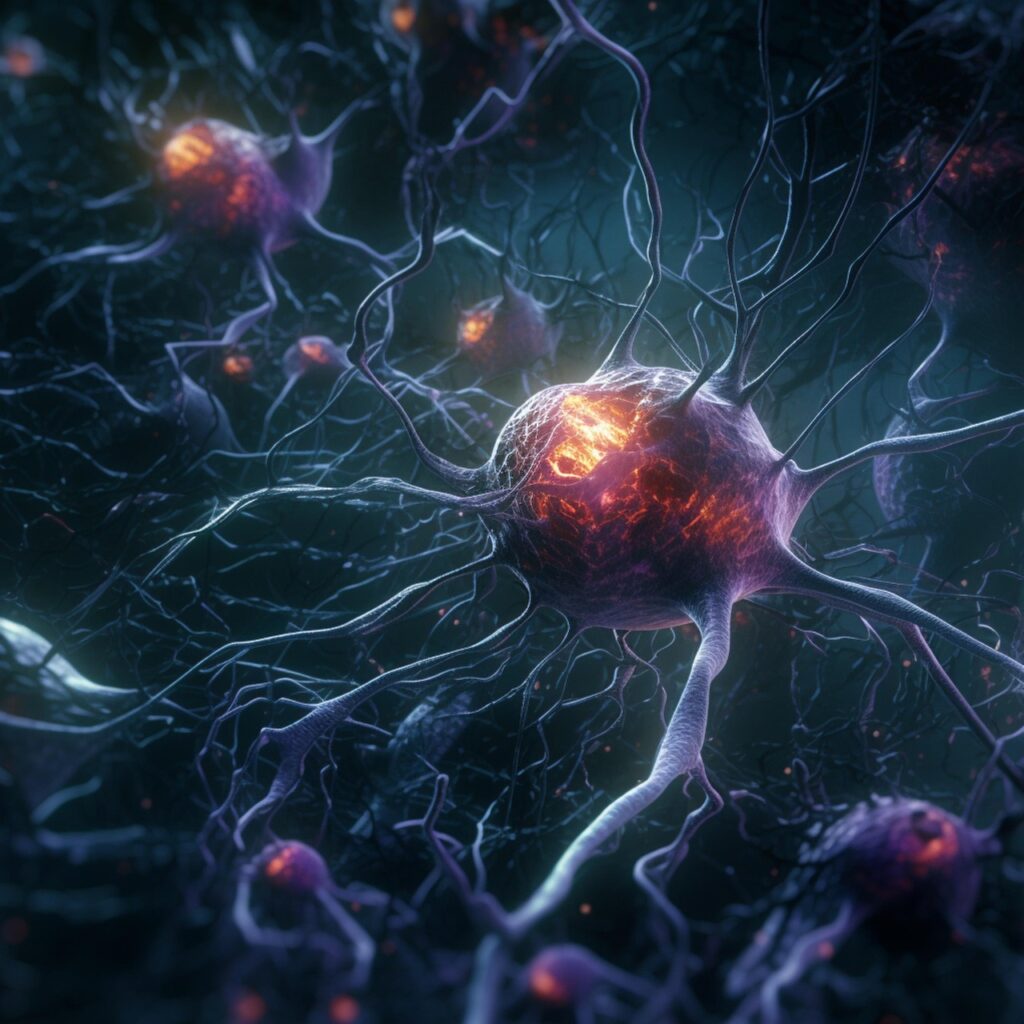
The essential wiring of the nervous system consists of cooperative neurones and patterns of information. The more often you repeat a particular action, the stronger the associated energy becomes.
Existing information stored in the nervous system can influence whether new information is passed further along the line.
In other words, existing programmes can take precedence.
However, environmental experiences can also influence these processes. Trauma, particularly during childhood, can have a powerful effect on the information stored within the nervous system.
Programming the Nervous System
Scientists have attempted to identify which genes control the biochemistry of brain cells that influence behaviour.
According to the argument presented in this material, they did not identify individual genes that determine specific behaviours.
What they did find was the importance of neurotransmitters and emotions.
Neurotransmitters trigger emotional responses, and emotions typically have a significant influence on how we behave.
Robert Sapolsky observed:
“Limbic function is now recognised as central to the emotions that fuel our best and worst behaviours…. There really aren’t centres in the brain for particular behaviours.”
~ Robert Sapolsky, Behave: The Biology of Humans at Our Best and Worst
This is important because emotions influence our mood, energy levels, responses and interactions with other people.
How we feel affects how we show up in the world.
Genes can also have different effects in different environments. A hormone can influence behaviour differently depending on values and circumstances.
How you behave determines your experience of life.
Experiences influence the information that is stored and processed by the nervous system.
Our behaviour is therefore the result of our history — both biological and biographical.
So what ultimately determines behaviour?
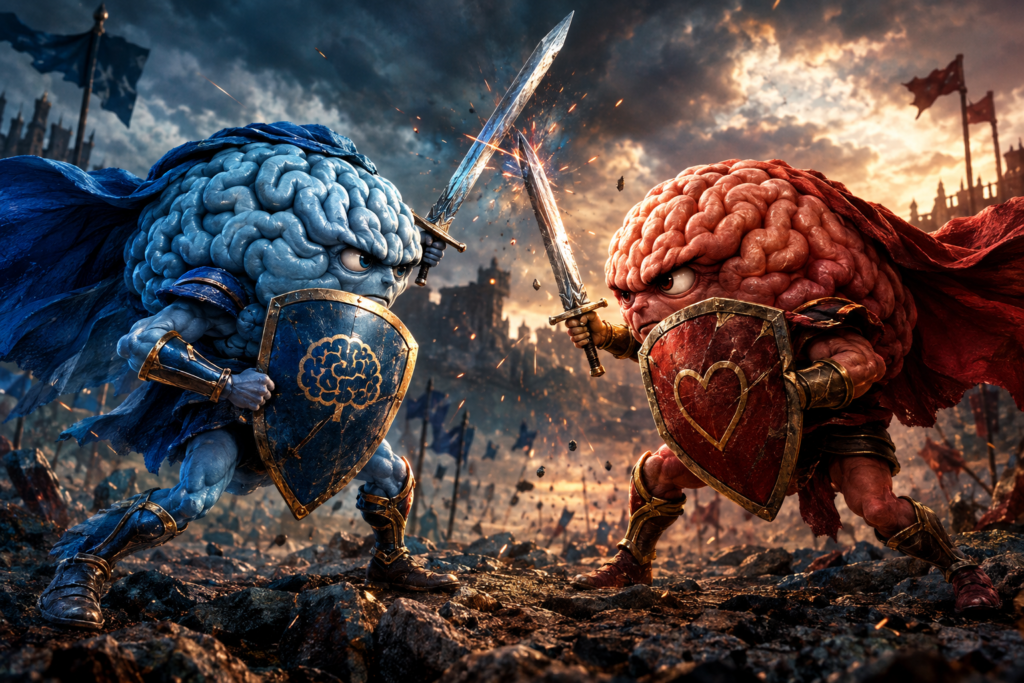
That depends on the information your nervous system is processing and how much control the Thinking Brain has over the Emotional Brain.
When information from the environment is repeated often enough, it becomes a programme.
Repeated information becomes increasingly familiar to the nervous system.
This is why repetition is so powerful.
Changing Habits
If you want to change your behaviour, you need to understand the role emotions play in the process.
Synapses are involved in transferring information from cell to cell. The more established and reinforced the connections become, the more easily information and memories can be retrieved.
Synapses can be excitatory or inhibitory.
An excitatory synapse is associated with a high volume of neurones that have been fired and wired into specific action potentials. These tend to fire more quickly.
Inhibitory synapses fire more slowly.
The firing rate influences the number of action potentials transferred. The relationship between neurochemicals and their binding receptors can also influence how efficiently information is passed forward.
However, information in a neurotransmitter has to match the information recognised by the cell receptor. If there is no match, the receptor may not allow the information to pass.
This means that changing behaviour requires conscious awareness.
You first need to recognise the emotions and behaviours you want to change.
Experience is one of the most powerful ways of programming new emotions and behaviours. However, existing subconscious programmes can interfere with the process and contribute to destructive reactions.
A second approach is to consciously determine how you want to show up in the world and set an intention to behave accordingly.
Over time, repeated experience and conscious intention can help build a molecular library of information that supports the behaviours you want to develop.
Bruce Lipton describes the brain as the awareness authority that coordinates the communication of signal molecules within the community of cells.
In his words:
“The brain’s function is to coordinate the dialogue of signal molecules within the community.”
~ Bruce Lipton, Biology of Belief, (2005)
The brain coordinates information and influences the behaviour of the body’s cells.
Hormones, Emotions and Habits
The firing rate of action potentials is influenced by the type of hormone involved.
For example, serotonin is described in the original material as firing more slowly and acting as an inhibitor. It can slow behaviour or prevent action.
Dopamine, associated with the reward system, fires more quickly and is regarded as excitatory.
The dopaminergic system is particularly interested in anticipation.
It is not necessarily the desire itself that creates excitement. It is often the potential outcome.
Positive outcomes make dopamine central to habit formation.
Ordinarily, existing information in the nervous system would need to be matched and passed forward before a new habit could become established.
If that were the only mechanism available, changing habits would be extremely difficult.
However, the original material proposes that there is another possibility.
The conscious mind can intervene.
The Conscious Mind and the Ability to Override Programmes
Neuroscience uses the term homunculus, a Latin word meaning “little man,” to describe the idea of a conscious decision-maker controlling behaviour.
Robert Sapolsky describes this idea humorously:
“The homunculus sits there controlling behaviour… the homunculus briefly overrides the automatic pilot. But other than that, the homunculus makes decisions. Sure, it takes careful notes of all the inputs and information from the brain, checks your hormone levels, skims the neurobiology journals, takes it all under advisement, and then, after reflecting and deliberating, decides what you do. A homunculus in your brain, but not of it, operating independently of the material rules of the universe that constitute modern science.””
Robert Sapolsky, Behave: The Biology of Humans at Our Best and Worst
The concept is useful because it highlights the difference between automatic programmes and conscious decisions.
The nervous system may contain deeply established programmes based on previous experiences, emotions and repeated behaviours.
But conscious awareness gives us the possibility of recognising those programmes.
And when you can recognise a programme, you have the potential to choose something different and add archetypal qualities that can be developed into autonomous programmes.
The Key to Changing How Your Nervous System Works
This is why understanding how the nervous system works is important.
- The nervous system is constantly receiving information from the environment.
- Through the senses, we absorb experiences.
- The brain processes this information.
- Neurones fire.
- Synapses form and strengthen.
- Neurotransmitters and hormones provide emotional charges.
- Repeated experiences become increasingly familiar and can develop into programmes that influence how we behave.
- These programmes can become habits and defence mechanisms.
- They can influence how we think, feel and respond without us necessarily being consciously aware of their origins.
You may believe you are consciously choosing your behaviour when, in reality, you are responding to information that has been programmed through repeated experiences.
The good news is that the nervous system can change.
- New experiences can introduce new information.
- Sustained stimuli can change what happens within the nervous system.
- Repeated actions can strengthen new patterns.
- And conscious intention can provide an opportunity to override automatic programmes.
This does not mean change happens overnight.
Existing programmes can be powerful because they have been reinforced over time. The information is familiar. The emotional responses are established. The nervous system knows what to do because it has done it before.
That is precisely why habit change requires awareness. Without awareness, you’re easily lured back by the emotional pull, symbolically described in Christianity as sins or the temptations of Satan.
You need to become consciously aware of the behaviours and emotional responses you want to change; otherwise, it’s very difficult, if not impossible, to change them.
The new behaviour must be experienced and repeated consistently, which is the role of the Caretaker archetype.
Over time, new information becomes increasingly established so that you adapt to situations in your life effortlessly. Less effort means less stress.

How The Nervous System Works: Final Thoughts
Your behaviour is influenced by a complex interaction between the cells of your nervous system and the information taken from the environment in relation to your life experiences.
The nervous system continuously receives information from the environment and processes that information into an internal processing unit that is unique to the individual.
Childhood experiences can establish powerful programmes. Trauma can influence the information stored within the system. Emotional responses can become dominant influences on behaviour whenever familiar situations or feelings are triggered.
But the information stored within the nervous system does not have to define every decision you make.
New experiences can introduce new information.
Repeated actions can strengthen new patterns.
Conscious awareness can help you recognise automatic programmes.
And conscious intention gives you the opportunity to decide how you want to show up in the world.
Ultimately, changing behaviour begins with understanding what is influencing your behaviour in the first place.
The nervous system may be programmed by experience. But by becoming aware of the information you are processing, consciously choosing new behaviours and repeating those behaviours often enough, you can begin to build new programmes.
That is why understanding how your nervous system works is not simply an interesting exercise in biology.
It may help you understand why you behave the way you do.
And more importantly, it may help you understand how you can begin to behave differently.