
They say: “An artist’s work is never done.”
Creative people with an undeveloped Creator archetype will relate to this.
You’re just never satisfied with what you paint, write, or score.
So you keep rewriting, redesigning or trying to find the perfect riff.
Everyone else thinks what you’ve done is perfectly fine, by the way. They’re impressed. And that’s a key motivation for this archetype – to impress people.
But for the undeveloped Creator, your best is not good enough.
You must do better.
At least, that’s what your subconscious programming tells you. A lack of self-worth and low self-esteem have fashioned a limiting belief that whatever you do is not good enough. You can only impress others if what you do is flawlessly perfect.
This is programming for people with perfectionist tendencies, a typical wound for the Creator archetype.
But it could be worse.
You might not get the drive to be creative at all. In this instance, the Creator has been repressed, forgotten and ignored altogether.
That’s not good news.

What is the Creator Archetype?
All archetypes serve a function. They have a superpower and a pattern of behaviours, attitudes and motivations.
You can read more about the 12 major archetypes and their functions here.
The Creator is the force behind creative pursuits. Whether you’re a writer shaping a story, a chef improvising a recipe, or just rearranging your living room (for the third time this month), the Creator is at work, influencing your decision-making by transforming the contents of your imagination into reality.
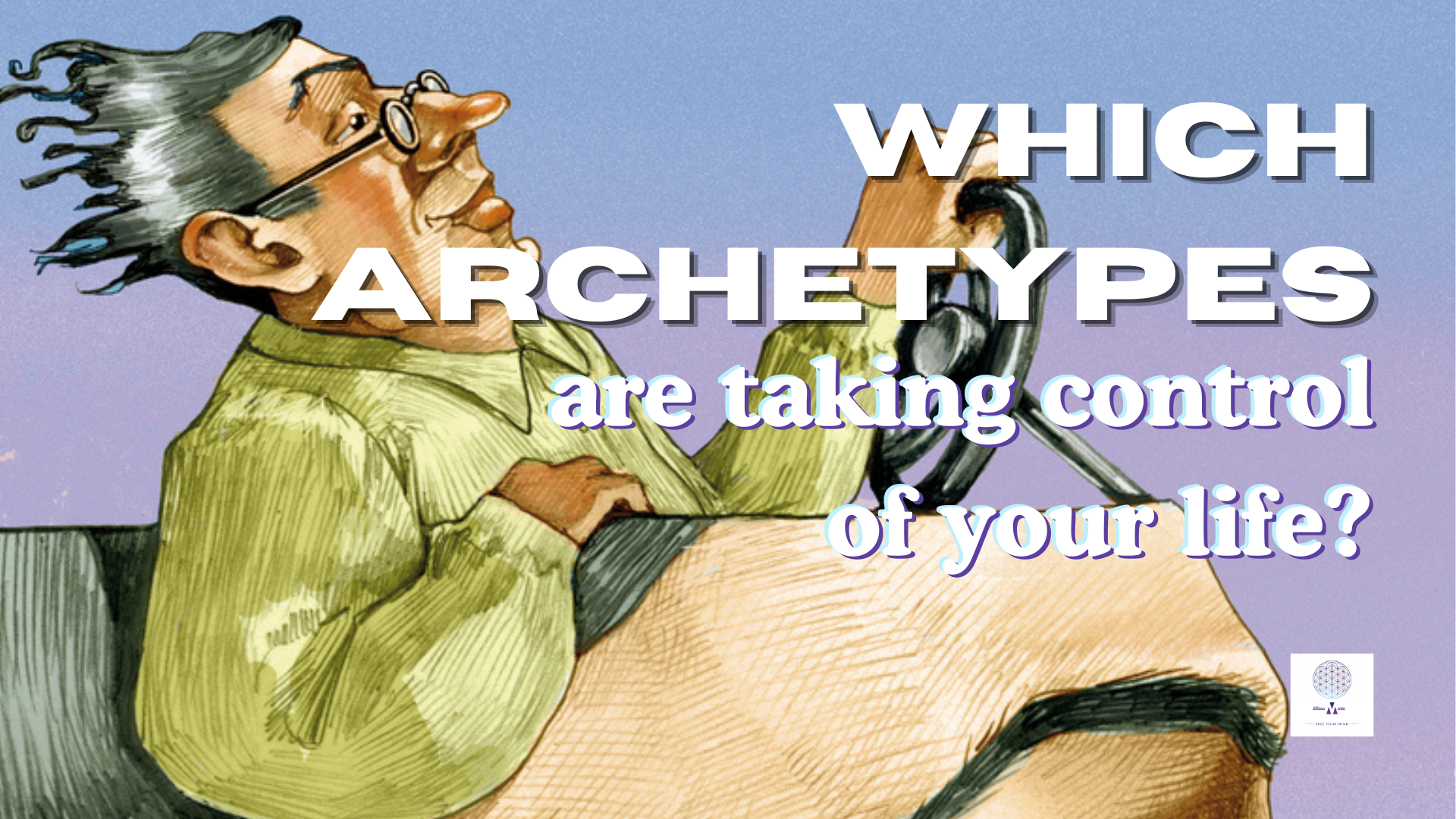
Whenever you have an “I could make this better” thought, the Creator is in the driving seat of your Thinking Brain.
However, it would be a mistake to say the Creator’s only function is to create a work of art.
That’s not the case.
Thanks to its Superpowers of foresight and imagination, this visionary aspect of your psyche is vital for envisioning the future, planning ahead and preparing you for situations you expect to find yourself in.
Think of this archetype as your inner architect.
The Creator helps you to develop the personality traits and emotional intelligence you need to achieve the outcomes you desire.
It’s worth noting that the Creator and the Trickster both operate through the imagination — but they go about it very differently.
The Creator sees a problem and creates a solution grounded in reality. Form and function are criteria for this archetype. The Trickster, on the other hand is innovative, disruptive and creates chaos. This can create obstacles in your outer world that force you to observe and acknowledge the chaos in your inner world.
Same outcome, very different methods.
How to Spot the Creator Archetype in Yourself
You don’t have to be an artist, writer or musician to access the gifts of the Creator archetype. The Creator shows up whenever you use your imagination to weigh up the practicalities of future events.
Some telltale signs that indicate the Creator is online are:
- As a kid, you would take your toys apart and put them back together
- You often see ways of improving systems, processes, or designs without even trying. These ideas just come to you
- You thrive when your work has a meaningful, visible impact
- You get annoyed when someone tells you how to do something you already know how to do
The Creator in you is motivated to improve your circumstances, not like the Caretaker who takes care of things in the external world, but to you integrate archetypal qualities that enable you to overcome challenges and grow — to develop emotional intelligence.
The Creator is a born problem-solver and uses foresight and imagination to position yourself in problematic situations to find a solution that increases your chances of scoring the outcomes you desire.
The Creator Tool is a core feature of the Libera Mente self-development programs because it helps you to envisage what you want and practice your strategy for how you can create your desired outcome.
When this archetype is firing on all cylinders, you have the drive to make something meaningful and leave your mark in the world.
There will also be times when you can’t settle until you make progress with a project. If too many thoughts are rattling around in your head, you have to empty them.
Does this sound like you?
If so, your Creator archetype is online. If not, your Creator is repressed which means you don’t access the Creator’s best qualities, including its Superpowers.

The Creator’s Superpower: Foresight & Imagination
Every archetype has a core function and a superpower that serves your growth.
For the Creator, that superpower is foresight and imagination: the ability to imagine a future state and work backwards to make it real.
Essentially, the Creator transforms fantasy, or desire, into a lived experience.
On a practical level, this might be as simple as planning tonight’s dinner or deciding the most appropriate attire to wear for whatever occasion you’ve committed to.
On a deeper level, it’s the capacity to mentally rehearse a conversation before you have it.
In your mind, you play out what you want to say, anticipate how it might land, and prepare yourself emotionally for the response.
This is where the Creator becomes a genuine tool for self-development — because it can help you to identify triggers and identify a more appropriate response.
Developing emotional intelligence involves replacing behaviours and attitudes, and motivations that are unhelpful, negative and destructive with archetypal qualities that are helpful. positive and constructive.
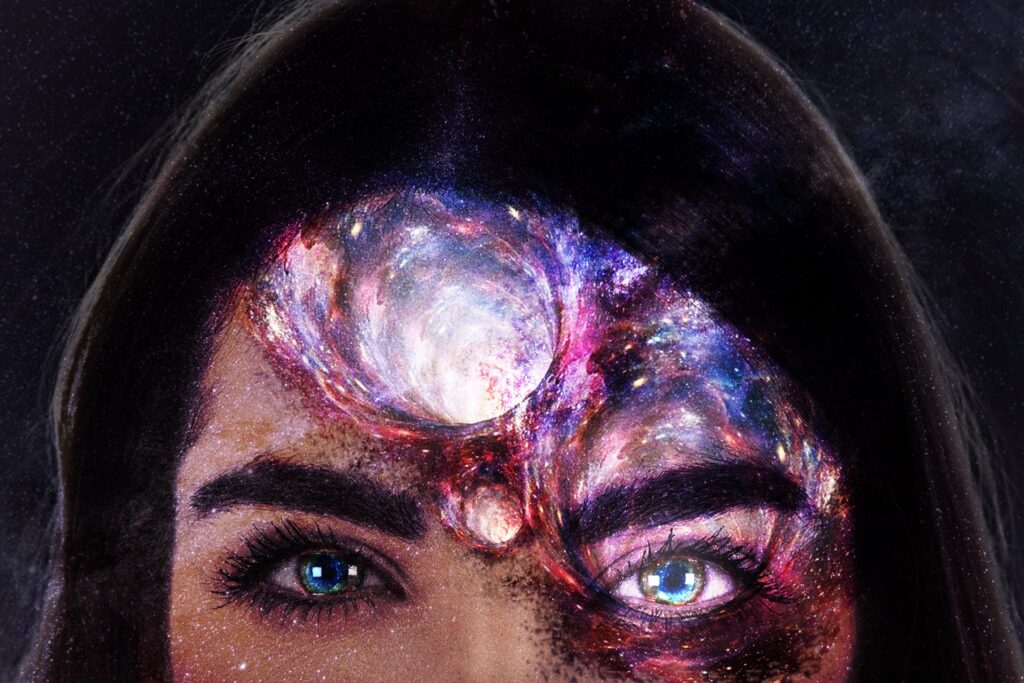
When someone says something stinging or makes you feel inferior and disrespected, you can use this archetype’s imaginative power in a private space to revisit the moment.
When you go over a conversation that triggered you in the moment, it will probably trigger you again, after the event.
Think about that. Even though you are not physically experiencing a situation that is poking your emotional wound, replaying it in your head is still prompting an emotional reaction.
The undeveloped Creator is triggered whenever you feel resentment, betrayed or humiliated.
Shame, hurt, and criticism are often at the root of the Creator’s rumination patterns.
Deep down, this archetype wants to be heard, seen and understood but not everyone is on your wavelength. Consequently, you feel misunderstood, ignored and ostracised.
You feel like you don’t fit in.

A useful exercise for the Creator is to act out or replay a conversation that didn’t go well.
Maybe you were triggered, or you didn’t get the outcome you wanted. Perhaps you didn’t communicate your point in a way the other person could understand.
You can do this exercise for any of the archetypes using the Creator’s superpowers. It can actually help you to identify the archetype with the emotional wound.
Once you recognise your emotional weakness, replace your response with an opposing energy.
For example, if your response had been angry and aggressive (often the Hero), try to be calm and assertive (the Warrior).
If your response was to run away or respond with cutting remarks (the Creator), practice responding in a way that is more amiable, cooperative and helpful (the Everyman).
Try to understand how the other person perceived the situation and what you might have done to get the outcome you wanted.
What might you say next that will land?
Is there an emotional response you can draw on when you feel uncomfortable and want to run away?
Consider the reasons for staying and making yourself heard, seen and understood?
Rehearsing these role plays will not change your subconscious programming alone, but they will prepare you mentally. The next time you are in a similar situation, you will be more mindful to adopt the emotional response you need to help you achieve the outcome you want.
The renewed experience is how you begin the upgrade of your programming.
Changing behaviour requires repetition.
The more often you practice being the person you want to become using the Creator’s superpowers, the quicker you are able to transform emotional responses from immaturity to maturity and then to wisdom.
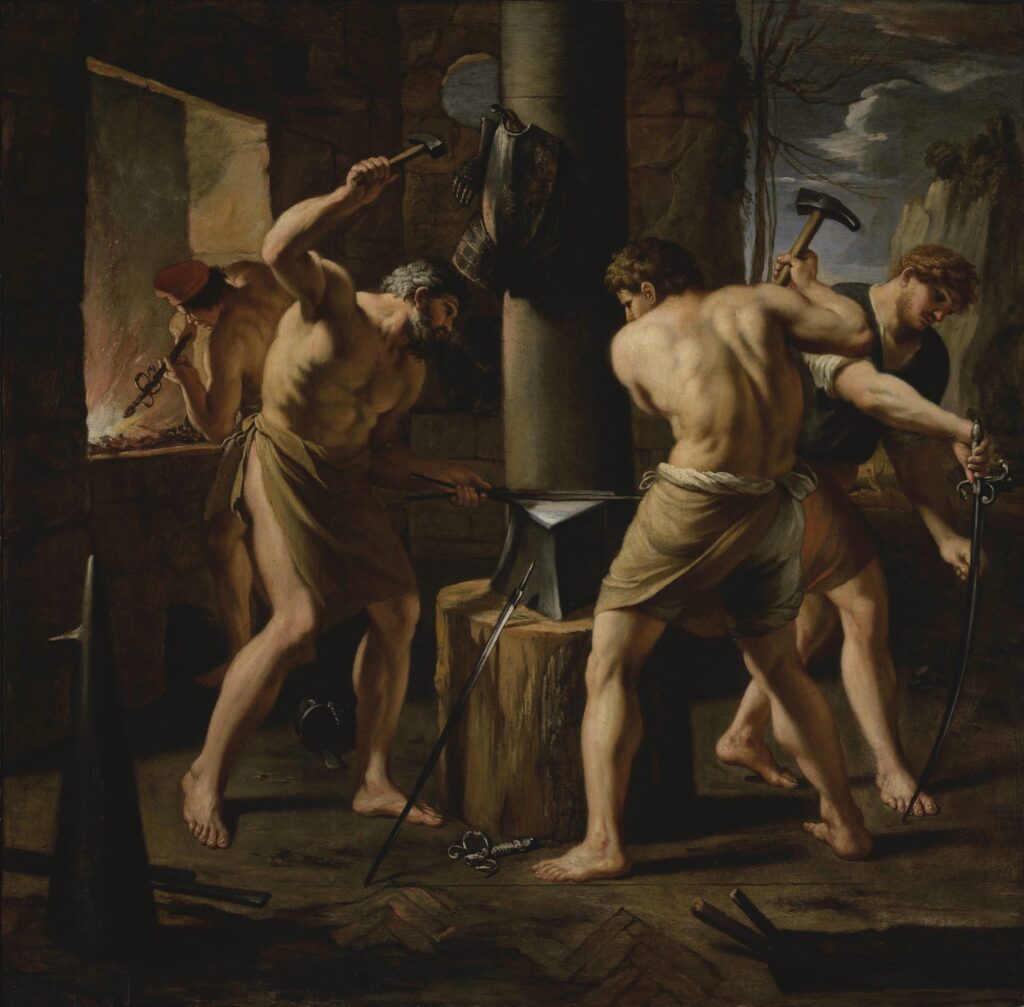
In Greek mythology, the functions of the Creator are embodied by Hephaestus and Athena.
Hephaestus was the God of the Forge who crafted armour for gods and heroes to help them overcome challenges.
Emotional intelligence is your armour. The Creator helps you forge it.
Athena, the Goddess of Wisdom, was adept at strategy in warfare and helps you to find the words and actions that enable you to manifest the outcomes you desire.
The Shadow Side of the Creator Archetype
Every archetype has a shadow that needs to be understood, developed and integrated into the conscious personality.
The Creator’s shadow is a triad of troublesome qualities that influence your life in negative ways: low self-esteem, a lack of self-worth and a fear of rejection. When the suppressed parts of this archetype influence your life, you can make cutting remarks, throw daggers and cause hammer blows to protect yourself from discomfort, pain and suffering.
The Creator takes the threat of rejection, criticism and abandonment pretty badly.
When your sense of worth becomes tangled up with who you are, any perceived slight will be shielded and deflected back.
Instead of using advice or constructive criticism as an opportunity to grow, the remarks of others become a test of your integrity. When this archetype is severely wounded, it’s too painful to acknowledge anything is wrong with you, the choices you make or the atmosphere you create.
The problem is, when you snap back, grumble and slump into a mood, you can create a pretty naff environment that’s uncomfortable for others.
Underneath the perfectionism and the protective shield, you will probably find an abandonment wound – one that is hard for Creator types to fix, while you refuse to connect with others and forge meaningful relationships.
This archetype has an avoidant personality and a subconscious program that says, “I’m better on my own.”
Rejected for being who you are as a child, disciplined for failure and barely praised for successes, you developed a deep wound born from a belief that no matter what you do, you are not good enough.
When I earned the second-highest merit marks in our class, my father remarked, “Why didn’t you come first?”
I didn’t receive any praise for being cub of the year either. No matter what I achieved, it wasn’t good enough. The Suppressed Creator has plagued me for most of my life.
This immediately makes Creator types sensitive to criticism, deeply hurt when excluded and feeling ostracised when nobody understands them.
Sometimes, this is simply a drawback of having an imagination. You see things others don’t see.
There is also an underlying program that gives you the false belief that you are not worthy of being seen or heard on the grounds that you were often told to be quiet and “don’t be so stupid.”
You sometimes feel as though nobody understands you. People are cruel, and nobody accepts you for who you are. Other times, it’s because you haven’t got the words or a full understanding to explain what you see that others cannot see. So they don’t believe you.
Over time, your central nervous system creates a defence; you are right, and everyone else is wrong. You then develop a growing impatience with people and a low tolerance for people you consider stupid or ignorant.
The Creator has a clear inner vision of how things should be done. When somebody fails to match your vision, you can feel frustrated.
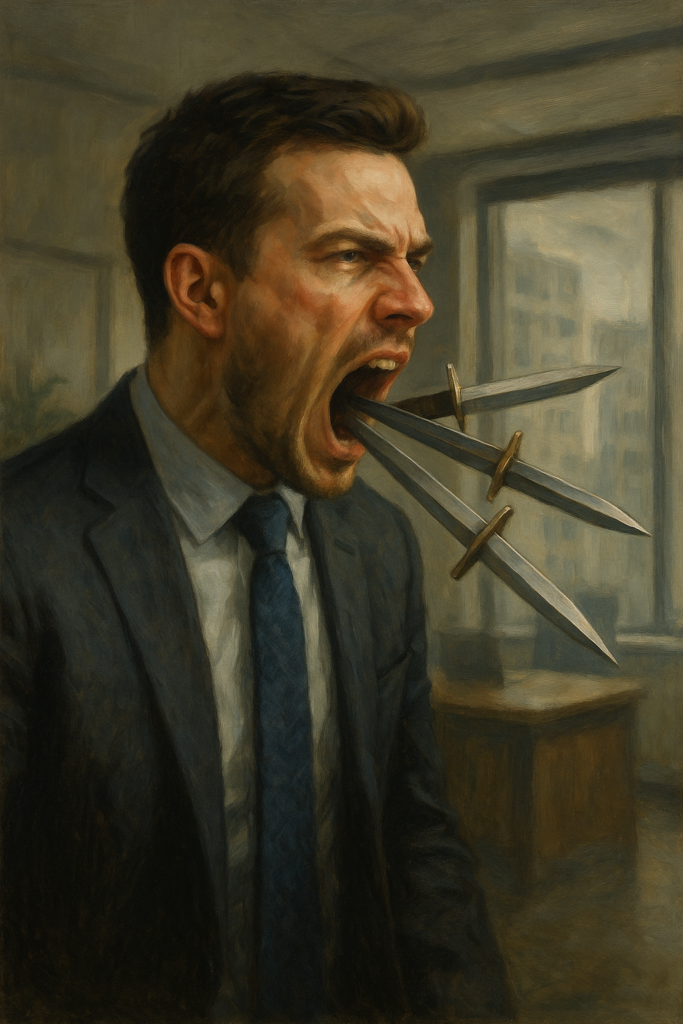
Typical thoughts, or cutting responses are:
“Are you stupid?”
“Can’t anyone do anything right? If you want anything done right, do it yourself.”
“Does anybody around here ever listen?”
Or my personal go-to, “Oh, for fucks sake!”
If you’re resonating with any of this, you can probably admit these are not your finest moments.
Though it may be hard to admit that.
But admitting our faults is something the wounded Creator has to acknowledge. Deep down, you know your reaction could have been more helpful, positive and constructive. And yes, you would rather ignore your behaviour that address it, but avoiding this issue, as is your want, will not help you to move forward.
And it’s okay to get things wrong. It doesn’t matter if people don’t agree with you, or see what you see. Everyone is entitled to an opinion regardless of whether you think it’s wrong or not.
But most of all, you don’t have to be perfect every time to impress people.
You’re good enough as you are. You educate, inspire and engage people.
Creator types just need to learn how to be you, because you’re at your best when you’re authentic. When you don’t allow yourself to be expressed, the suppressed Creator kicks off. And that version of you is not your best.
What’s really happening is that you’re projecting feelings of resentment, bitterness and frustration with yourself onto the people around you. Your subconscious programs push people away because you’re afraid they get too close. Because you expect friends and lovers to betray you eventually, you desert them before they can hurt you.
Another shadow trait to watch out for is workaholism disguised as passion. Staying late at work is a subconscious effort to impress your superiors and, if you are married, avoid going home to a family you perceive doesn’t love you.
They do. You just don’t allow them to get close enough to show it.
You tend to work because the drive to do something meaningful and solve problems distracts you from your feelings of inadequacy and fear of intimacy.
But overworking eventually leads to burnout, paralysis, and a damming of the creative faculty.
To develop the Creator and break free from the shackles of the Shadow, address the Creator’s low self-worth. It’s born from feeling unrelatable and unlovable.
Individuals who have not achieved the success they expect of themselves may also project the frustration with themselves onto others.
Feelings of inadequacy are rooted in emotional neglect because your parents never taught you how to be close to others. You are at a loss when it comes to developing meaningful relationships, feel like an outsider in groups, and have a limiting belief that you are unworthy of love, attention or success.

The Brain Chemistry of the Creator
Creativity releases a cocktail of neurotransmitters related to the reward centre. This is why creative pursuits can make you feel satisfied, connected and focused. It serves as a substitute for the lack of neurotransmitters when you are in the company of others.
Social anxiety causes stress, and stress inhibits the flow of feel-good neurotransmitters.
The first brain chemical to be released is dopamine — a neurotransmitter that gives you the motivation to explore ideas and begin creating.
If you’re low on dopamine, you probably won’t even get started.
Moreover, dopamine reinforces behaviour. So if you prefer to do something rewarding other than creating a piece of art, writing a story, or playing an instrument, another archetype is blocking the neural pathways associated with the Creator.
This could be why your Creator is dormant.
Creating works of art also requires sustained periods of focus and attention, which is only possible with the release of noradrenaline.
Serotonin, endorphins and cannabinoids are also released, which help to stabilise mood and give you that warm glow of quiet confidence.
However, some psychological states, such as depression and the limiting belief that you’re not creative, inhibit your willingness to unleash the Creator archetype.
If you’re not doing any sort of problem-solving or thinking ahead using imagination and foresight, the Creator in you is asleep and needs awakening.
Self-criticism kicks in hard. You project your feelings of dissatisfaction, regret and resentment onto others.

Developing The Creator Archetype
Recognising how to develop your Creator relies on identifying where this archetype is wounded — and thus undeveloped.
To recap, the undeveloped Creator is:
- A perfectionist
- Sensitive to criticism
- Projects feelings of resentment, frustration and betrayal onto others
Perfectionism
At the root of perfectionism is an irrational fear of making a mistake that leads to rejection, humiliation, failure, criticism, loss of identity, or loss of control.
The perfectionist Creator must learn to accept that mistakes are not evidence of inadequacy. They are normal. Everyone makes mistakes, and it’s okay to make mistakes.
The only person who is actually criticising you and making you feel embarrassed by mistakes is you.
Moreover, constructive feedback is useful information, not a verdict on your ability. The process matters as much as the outcome.
Sensitive to criticism
This shadow side of the Creator is difficult to overcome because, unfortunately, some people are critical — such as other wounded Creators.
It helps to recognise they also have wounds and their projecting their own feelings of rejection, resentment and fear of abandonment onto you.
In addition, life is a teacher. When you realise that, you will recognise when you are being challenged to develop your Creator.
Your sensitivity to criticism is often how you perceive advice or suggestions. It’s not criticism at all but an opportunity to grow — to do something better.
If you often feel “I am not good enough”, make a note of everything you are good at, then make a list of all the things you would like to be better at.
Put some realism on your perception. The Creator’s function is to make fantasy (perception) real.
Projecting feelings onto others
One of the Creator’s worst traits is to project your own feelings of inadequacy onto others. Cutting remarks meant to hurt are mechanisms used to enact revenge when you feel hurt.
Reflect on these moments and determine why you feel hurt. Was it because you felt rejected, betrayed or ostracised?
Maybe somebody humiliated you or made you feel you were not worthy.
Is it because you feel unheard and unseen?
Behind any of these facades is a wound that was opened in early life that needs to be healed.
Make a rational sense of your behaviour and endeavour to adopt a different behaviour. The qualities of the Everyman are often a more helpful response for wounded Creator types to adopt.
When the Creator is a dominant aspect of your personality, it can inhibit the Everyman. Thus the Everyman needs developing.
You’ll recognise the developed Creator in imaginative people who are good at planning, problem-solving and creating works of art.
They enjoy creative pursuits but are satisfied when the work is finished without needing to consistently make alterations.
Living as a Creator
The Creator needs to be seen, heard, and acknowledged. Not out of vanity, but to feel as though you are engaging in life in purposeful and meaningful ways.
You don’t need a studio, a stage, or a book to embody this archetype.
Every act of problem-solving, innovation, or improvement is an expression of creativity.
The question is: where in your life do you feel most engaged, inspired and satisfied?
That’s where the Creator is alive.
That’s this archetype’s stage, book and canvas.
Honour the small everyday acts where you can be creative — an impromptu thought of praise, a meal made with a recipe twist, a subtle gift you know will please your partner.
The Creator archetype matures when you use your imagination to do something different and your creativity is acknowledged.
The more you respect your creative impulses, the more clearly they’ll show you their purpose.
The Creator archetype invites you to live as a co-author of your own life.
When you hear that inner voice saying “this could be better,” it’s not a criticism. It’s the Creator expressing your desire to design a richer quality of life.
Listen to it.
Ready To Unleash Your Creator Archetype?
When parts of your personality are repressed, the coping mechanisms designed by the central nervous system become maladaptive. If you need to unleash your Creator archetype and overcome the destructive behaviours associated with this archetype, the Libera Mente archetypes model can help you to identify the cause, the problems and the solutions.
Get in touch today and schedule an appointment with Rich.