When the historical Buddha, Gautama Siddhartha, emerged from under the Peepal Tree in a state of enlightenment, he taught his followers the art of good decision-making. His concept is known as the Noble Eightfold Path – or by the more appealing title of the Eight Bringers of Good Fortune.
The Noble Eightfold Path reveals how you can dissolve suffering by making the right life choices. Gautama Buddha identified eight “right” ways of experiencing the world:
- right view
- right thought
- right speech
- right action
- right livelihood
- right effort
- right mindfulness
- right concentration
Siddhartha said it is fruitless to try to understand reality itself. The purpose is to experience reality and to learn from it.
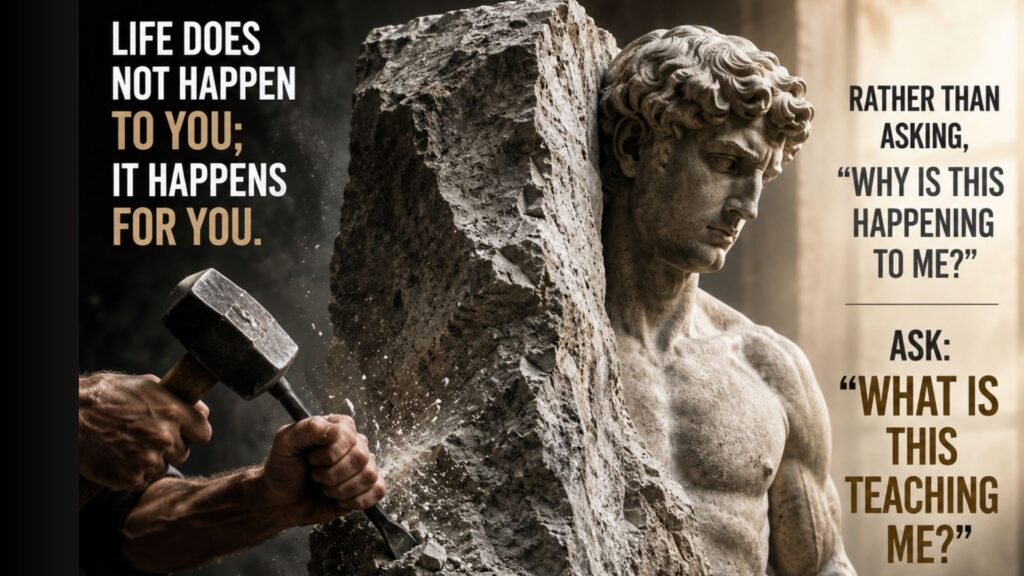
Life does not happen to you, it happens for you!
This is achieved by reflecting on your experiences and identifying what you did to cause them.
The Natural Laws of the Universe determine that there is a reaction to every action – a cause and an effect.
Your experiences of reality are caused by your actions which are determined by the decisions you make.
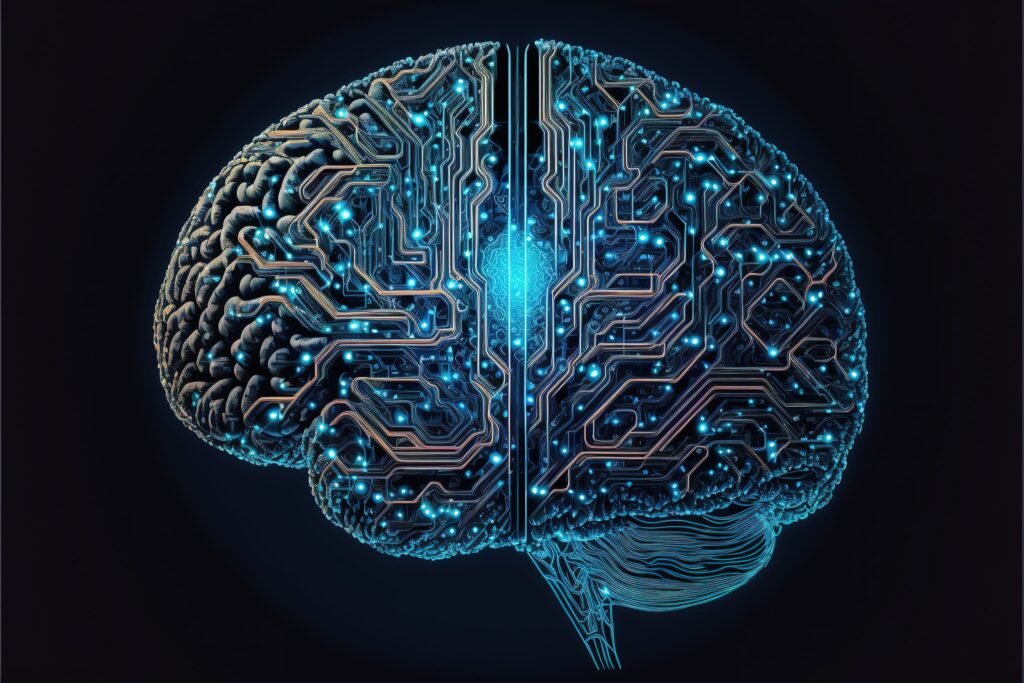
The decisions you make surface from one of the three brains.
The Three Brains
Science has identified three parts of the mind, all of which can be responsible for deciding your cause of action. You will be familiar with all three.
Instinctive Brain
This part of the brain is identified as the brain stem and is sometimes referred to as the reptilian brain, which turns out to be misleading. Its chief concern is to survive, but its ultimate aim is to thrive.
You survive by thriving.
This part of the brain is what instinctively prompts you to flee when you sense danger, but can also prompt instinctive decisions like abruptly stopping when you step into the road and realise a car is coming when you are not paying attention.
These are your survival instincts.
You will also recognise the Instinctive Brain’s work when you do something extraordinary that surprises you. This part of the brain is also making decisions when you care for a child for the first time. Your Thinking and Emotional Brain are worried they don’t know what to do, but what you need to do comes naturally.
These are instincts that enable you to thrive. And you have an abundance of innate qualities which enable you to thrive if you integrate them into your conscious personality.
The Instinctive Brain brings you into touch with every single human quality you will ever need to fulfil the intentions you set for yourself – because they are innate.
Carl Jung described this Brain as the collective unconscious or world of the archetypes. This deeper layer of consciousness contains the blueprint for the nature of mankind.
The problem for humans is that the Emotional Brain and the Thinking Brain can prevent the Instinctive Brain from making decisions if the information stored as a subconscious program has a different idea.
Your decisions are mostly learned behaviours, information that you have accrued throughout your life. It is often the case that the information stored as a subconscious program is not the best version of the Self. It is the ego, or little self.
The Emotional Brain
The Emotional Brain is the limbic system, which detects the environment for threats. It’s chief concern is emotional security.
This part of the brain decides what to do based on what has happened in the past – both good and bad. It forms attachments to sources of comfort, joy and pleasure, and steers you away from sadness, suffering and struggle.
Some of the decisions made by the Emotional Brain will leave you feeling satisfied, fulfilled and content. Other decisions will leave you feeling frustrated, angry and agitated.
How you actually feel is determined by your emotional response to a situation in your life.
When the Emotional Brain makes a decision based on a coping strategy, you fall into habitual behaviours. These may be helpful, positive and constructive, or they are unhelpful, negative and destructive.
Examples of the latter are aggression, avoidance, arrogance, cowardice, inertia, impatience, self-hate, stubbornness, perfectionism etc. The list goes on. The unhelpful, negative or destructive response is determined by the program the Emotional Brain feels is the best cause of action in that moment.
The best course of action – according to the Emotional Brain – is whatever worked in the past to protect you from sadness, suffering and struggle.
As you can probably appreciate, the Emotional Brain is not always the best brain to make decisions for you. However, when the emotional charge is stronger than the Thinking Brain, that is exactly what happens.
Thinking Brain
The Thinking Brain is the neocortex. It is in this part of the brain that you can rationalise, reason and plan. The executive function is responsible for impulse control, organising your thoughts and directing behaviour toward goals.
When the Thinking Brain is developed sufficiently, you are better equipped to take control of the Emotional Brain as opposed to emotions having control over you.
Needless to say, the Thinking Brain is the preferred method of making decisions. Its certainly the best equipped to for making complex, long-term, values-based decisions.
However, the best method for making decisions is utilising all three brains. The Instinctive Brain informs you what you need to do, the Emotional Brain will inform you how you feel about something (and will often resist change) and the Thinking Brain reasons with the options to determine a rational and logical way forward.
Here you have the three voice in your head. The Self, which is closest to the archetypes, the ego, which responds to subconscious programs and you, which decides whether to listen to the choice of the Self or the ego.
That third voice, you, will often be heard saying, I don’t know what to do.
When this happens, go with the suggestion the Self has. The ego only knows what has happened in the past and is thus tied to the Emotional Brain. The Self is closest to the archetypes, and thus the Instinctive Brain, the innate qualities you need to adapt to life.
You Create Your Experience of Reality
Ancient philosophers recognised that humans are responsible for creating our own experience of reality thousands of years ago. Modern science leans towards the same idea.
What the Buddha came to realise under the Peepal tree, is that practising the Noble Eightfold Path will bring “Good Fortune.”
The opposite is also a universal truth. Making the wrong decisions will bring “Bad Fortune.”
There is no such thing as good luck and bad luck. There is only good energy or bad energy, God energy or d’evil energy.
Each of the eight aspects of the Noble Path can be integrated into everyday life. You already do this, but may not be consciously aware of the effect your actions will have later on.
What the Noble Eightfold Path teaches you is to live a balanced life by honouring the desires of the Emotional Brain moderately rather than excessively.
Ultimately, you need to listen to the needs of the Instinctive Brain more often, especially when you recognise an inner conflict.

Getting Life “Right” the Buddha Way
Understanding of the “right way” can be difficult. It all depends on the situation you’re in, and the solution is not the same every time for everyone.
The decision is situational and has to be determined by you alone. The archetypes can help.
Which subconscious program is unhelpful, negative or destructive and which archetypal quality or qualities do you need to adopt to be helpful, positive and constructive?
The way in which you respond will be determined by intention, purpose and what is most important. It may also be guided by values, principles and boundaries.
There will also be times when you need to be aware of your intuition. This is the Divine Child, who always knows what to do.
Buddha’s Noble Eightfold Path is a guideline for the aspects of your personal nature that you should be conscious of doing right. There are also some symbols and philosophical stories to help you understand and remember what the “right” ways are.
The Noble Eightfold Path
Right View/Understanding
The first signpost on the path is the ability to take the right view. What is your understanding of a situation, or what do you think you need to do to achieve a desire, goal or aspiration?
Is your intended action helpful, positive and constructive? Are you honouring other people’s rights, needs and wishes?
Taking the wrong view is driven by expectations. There is pre-existing knowledge which is built on perception. And what you perceive the outcome should be is not always the right view.
It’s what you want to happen versus what needs to happen.
This can be when you have a desire that does not manifest, how you hope things will be or you are afraid of how things will turn out.
There are several ways to navigate thought processes to arrive at the right view.
Discernment — apply reason, rational and logic
Fantasy vs. Reality — is the thought in your mind backed by evidence which holds up to reality. Or is it simply what the ego wants to happen?
Go with the flow — abandon hopes, fears and expectations and take action anyway. You may make a mistake, but learning from error helps you to arrive at the right view.
In Buddhist symbolism, mustard seeds are used to reflect right understanding. When a young woman, distraught after having lost her child, consulted the sage, he told her to collect a mustard seed from every household that had not suffered a bereavement.
She returned empty-handed.
The lesson here is that the woman is not alone in her sorrow. Disappointment is part of life, and we can learn from experiences we don’t want. Her sadness, suffering and struggle was a product of how she expected her life to be.
In Buddhist symbolism, mustard seeds are a symbol of overcoming adversity.
Right Thought/Intention
Right thought proceeds right view.
Once you abandon expectations, hopes and fears, life flows more easily because you allow it to unfold rather than trying to force your will upon it.
Instead of attempting to manipulate the outcome you want there and then, let go of the attachments the ego wants.
Life does not happen to you. Life happens for you.
For example, if you want somebody to do something and they don’t do what you want, what will you actually accomplish by getting angry and moody.
What you create is a sour atmosphere, ill-feeling and rumination.
In addition, you create stress which effects your physiology and your health.
The better option is to align your thoughts with your intention. Then the right behaviour will follow.
Right Speech
Right speech comes naturally once you master right intention. When your thoughts are focused on your intention and you know how you need to show up and what to say.
Right speech prompts you to become a good communicator without feeling embarrassed or self-conscious. You stop caring what other people think about you and no longer feel the need to justify your thoughts and behaviours.
Because you do not need to feel the need to be careful or hesitant about what you say, you speak with more confidence and purpose. You simply say what needs to be said.
Right speech earns you respect and trust.

If people judge you for having opinions and preferences that are different to their own, that is their problem, not yours.
Furthermore, as your intentions are honest and forthright, you do not feel the need to manipulate anybody into thinking the way you do, nor will you try and control anyone.
There are also times when in the heat of the moment, you might make a cutting remark and say things you later regret.
Right Action
Right action becomes a natural way of being once you develop right thought, right intention and right understanding. When you take the right action, you honour promises, agreements and intentions.
How many times have you or somebody you know said they will do something, then don’t do it?
Dishonouring promises has become a way of life, and is not the right action in keeping with the Noble Eightfold Path.
Right action is about having good morals. How you are with others, how your behaviours impact others and your intention for others all fall into right action.
How many times have you thought, I shouldn’t be doing this, but do it anyway?
For most people, it happens every day.
Right Livelihood According to the Noble Eightfold Path
The Noble Eightfold Path describes right livelihood as performing jobs in the right way.
It does not necessarily mean having the right job for you as a career, but how you spend your life serving others.
Right livelihood is easier to fulfil if you serve your life’s purpose. Performing a job you are passionate about is fulfilling and enables you to meet the criteria of the proceeding paths of the Noble Eightfold Path.
Whatever you do for a living should ideally provide a benefit to the wider community. It should not harm others or show disrespect for any form of life.
It’s not possible for everyone to own a livelihood which enables them to fulfil their purpose in life. Some jobs simply need to be fulfilled. However, it is possible for everyone to perform a job that benefits the wider community.
Right Effort
Right effort helps to bring your life into balance. Sometimes you put more effort than is needed into endeavours that are not worth your time and energy. Other times you don’t do enough to achieve things that really matter.
Treading this path will sometimes require self-discipline. You will need to call on inner strength, courage and motivation to summon up the energy you can plough into making an effort.
To restore balance, you may need to recognise that you don’t have to put in much effort because you deserve rest, reward and recuperation.
There is a lesson here for people-pleasers. How much effort and energy are you wasting on people who do not deserve your time, energy or resources?
Decide to look after yourself. Self-care is not selfish; it’s sensible.
The same principle applies to self-development.
When you struggle and/or fail, you develop negative biases and give up. Preserve your energy for the changes you know you need to make. Training the brain to be a better decision-maker requires discipline and focus.
Right effort requires resilience and patience. Take small steps. Small steps make accumulative changes.
Some things take time.
Patience is a virtue.
Right Mindfulness
Right mindfulness teaches you to live in the moment.
Of all the practices in the Noble Eightfold Path, right mindfulness is the most difficult to master as it takes greater powers of concentration.
If you have an insecurity complex, mindfulness is even harder because intrusive thoughts distract you from being in the moment.
This step challenges you to change the way in which you naturally use your brain.
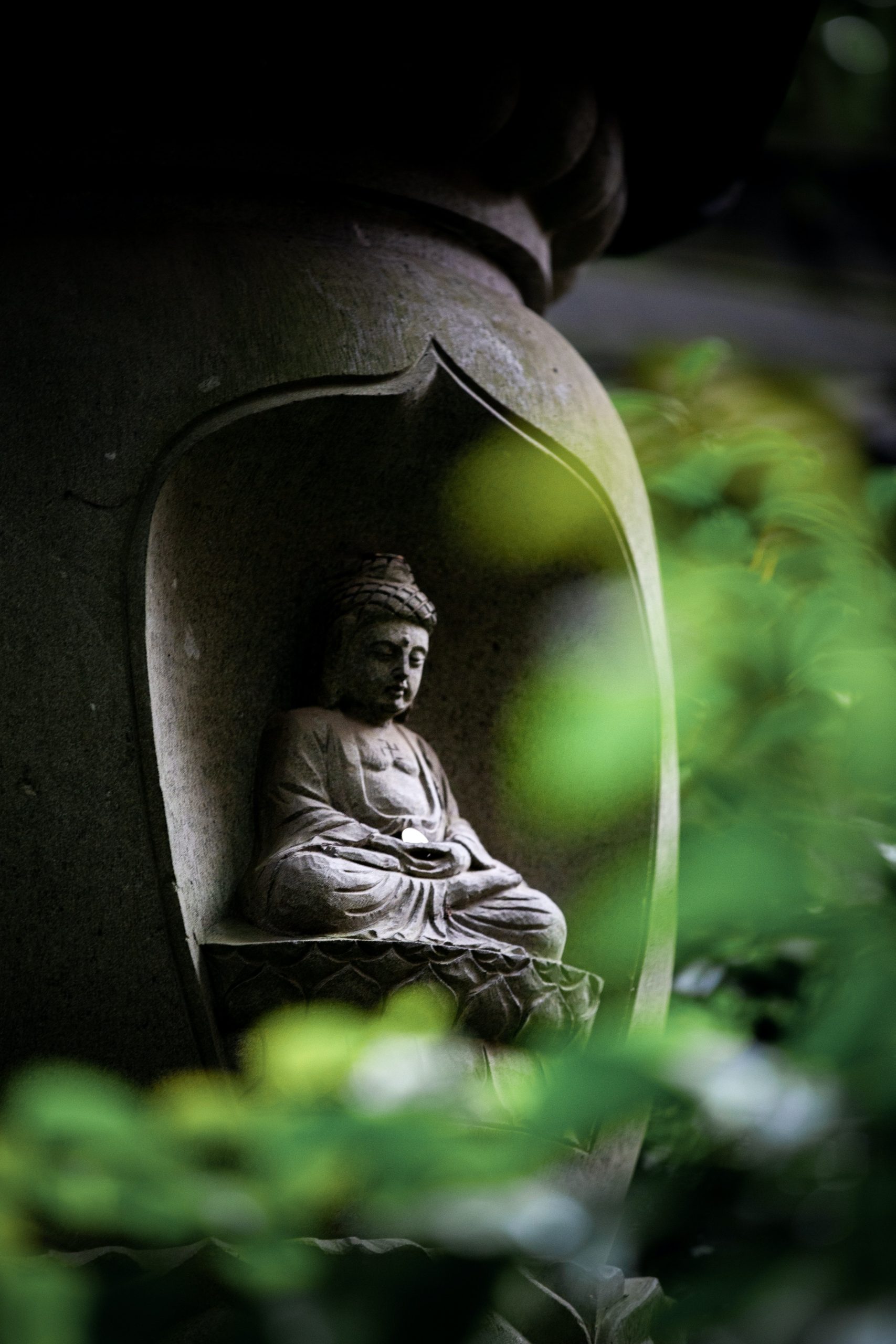
Mindfulness encourages you to embrace the world around you by being present and fully aware of the experience. It helps you to become less self-conscious and more carefree – the liberation of the conscious mind freed from the chains of expectation.
Right mindfulness can also help you to see things for how they really are and to be aware of how your thoughts, actions and emotions influence how you perceive life.
The Buddha would say, I am not my thoughts, I am not my emotions, I am not my actions. I am simply being, not doing.
Observe your thoughts, emotions and actions to determine how you created an experience.
When you see this, you see yourself more clearly.
Self-awareness is the catalyst for honing the right view from which everything else on the path follows. This is how you heal emotional wounds and transcend ego.
This is how you make effective decisions.
You have an obligation to yourself and others to make good decisions.
Right Concentration
The final step of the Noble Eightfold Path is an extension of right mindfulness. Right concentration is the defence against absentmindedness.
In a world full of distractions, focusing on the moment and being mindful of the experience is difficult. Oftentimes it requires strength, courage and patience to endure repetitive daily processes. When they become subconscious programs you can flow easily.
Until you are guided by the mind’s innate wisdom, right concentration helps you to focus and integrate the details and information you need to make the best decisions.
Practising The Noble Eightfold Path
The Noble Eightfold Path is a long journey that eventually arrives at inner peace. You come to learn that the right decisions are met simply by making a decision. When you make the right decision you get it right. When you make the wrong decision, you learn what not to do, which gives you an advantage.
There are no wrong decisions.