Latest posts
-
Self-Loathing: 4 Practical Ways to Heal Self-Hate

Do you ever have a persistent sense that something about you is fundamentally inadequate—that you’re not good enough, worthy enough, attractive enough, capable enough or deserving enough? Maybe you get frustrated when things don’t go your way, or you react angrily to situations that make you feel disrespected, humiliated or betrayed.
-
What Is An Inferiority Complex?

When you have an inferiority complex, seemingly innocuous comments can stir intense emotions. Energy may surface as irritation or resentment, anger or sadness. Feelings of inadequacy take you on an emotional rollercoaster. One morning, I woke with severe pain in my lower back and hips. The pain subsequently travelled down my sciatic nerve and left…
-
The Three Voices in Your Head: Understanding the Self-Ego Axis

The three voices in your head are also conceptualised with the image of the devil whispering into one ear and the angel into the other.
-
How To Use Esoteric Symbolism For Self-Development

This article provides you with an in-depth exploration of how to use esoteric symbolism for self-development. You will learn how to interpret esoteric symbolism and why esoteric symbolism should be used instead of exoteric symbolism.
-
Esoteric Symbolism: The Secret To Life

How it works is that the number zero is potential, and one is a new cycle arising from an idea, desire, aspiration or understanding. Think of this using the numeric scale of 0 to 9; 10 is the end of the first set of numbers and reverts back to the beginning because the zero is…
-
Esoteric Symbolism Vs. Exoteric Symbolism: What’s The Difference?
Esoteric symbolism reveals a hidden part of your nature which is not accessible to the conscious mind, a part of your nature that is repressed and unconscious.
-
Understanding Dissociation: What It Is and Why It Happens

Dissociation exists on a spectrum — from the mild, everyday kind almost everyone experiences occasionally to more intense forms that you physically notice. You may lose focus whilst you’re driving, or you may experience a total disconnect in neural activity. The latter can significantly disrupt daily life.
-
The Fragmented Personality: Dis-Membered | Re-Member
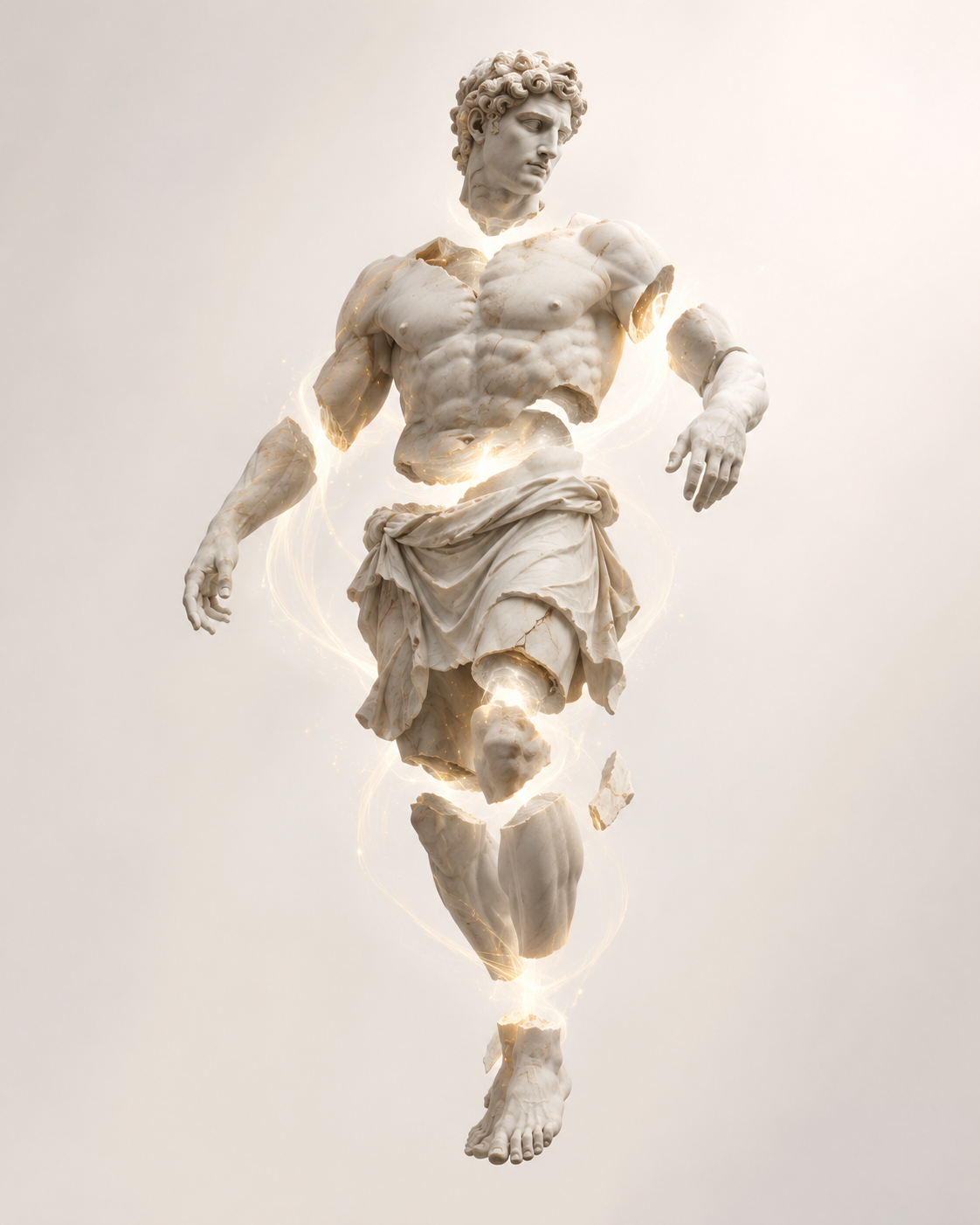
Every time you feel anxious, get angry when you don’t get what you want or avoid a difficult conversation, it’s because a part of you is missing.
-
The Noble Eightfold Path in Buddhism: The Art of Good Decision-Making
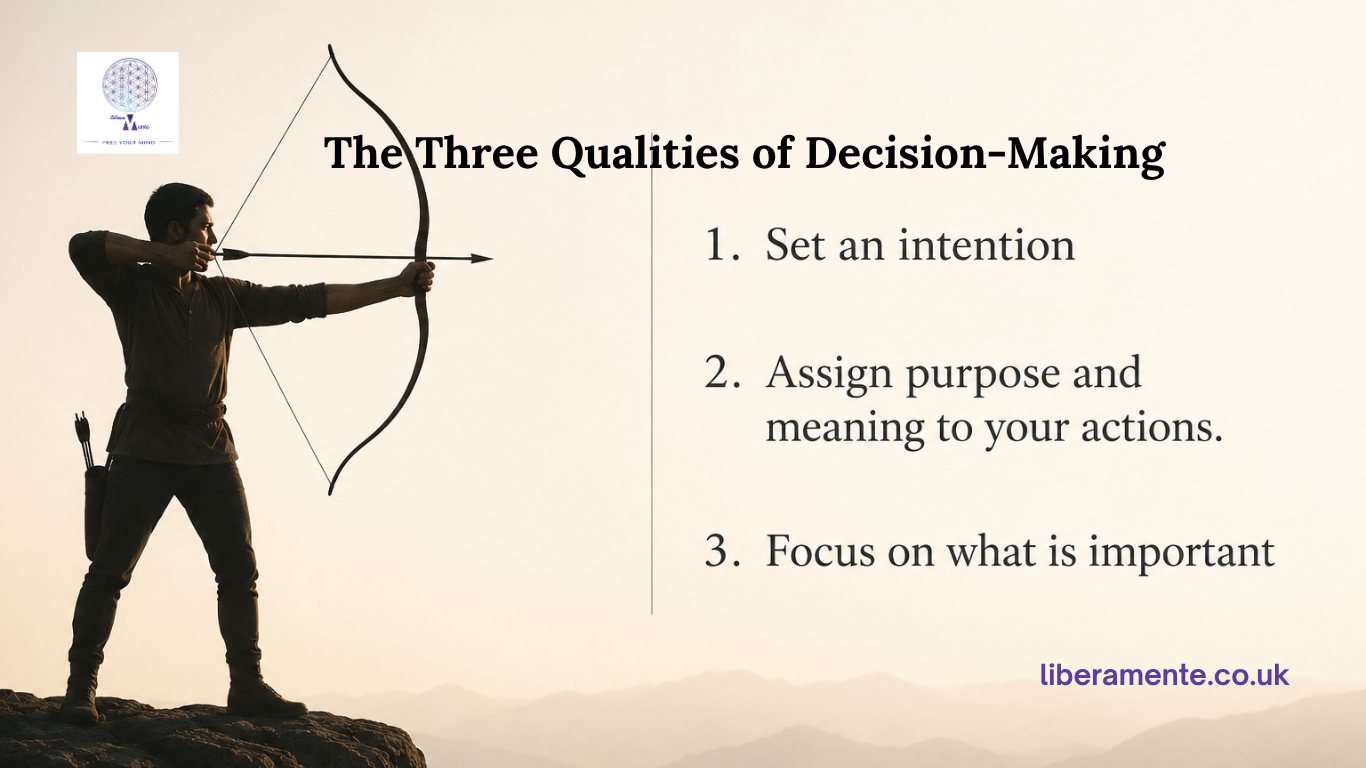
The Noble Eightfold Path can be used to develop skills for making better decisions. What to know how?
-
What Did Abraham Maslow Mean By Deficiency Needs?

Deficiency needs arise from a lack of something. Maslow argued that deficiency needs operate on a logic of absence: you feel them because something is missing. Hunger arises because you lack food. Anxiety arises because you lack safety. Loneliness arises because you lack connection.
-
Three Minds: Conscious, Subconscious, Superconscious
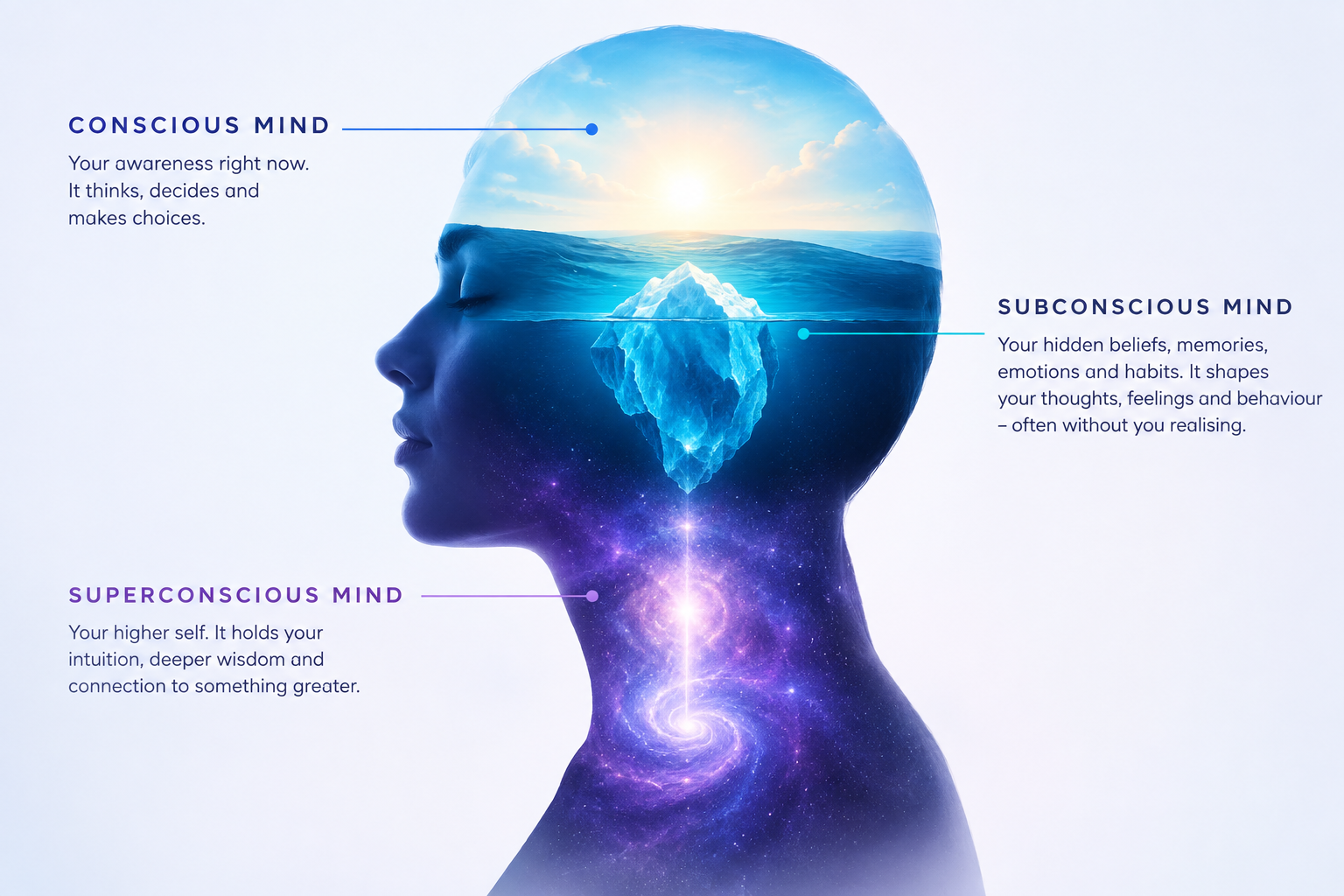
Understanding the contents of the conscious mind involves becoming familiar with the three distinct voices in your head — the Self, the ego and You, the observing I, or Third I. The three voices are all aspects of your personal consciousness, but they are running on different programs — different In-Formation. The ego is your…
-
Carl Jung’s Model of the Mind: Ego, Self, Archetypes and Complexes

One of the central discoveries in Jung’s model of the mind is that unconscious contents become autonomous. They have a life of their own and influence how you think, feel and behave; what you eat, what you do and how you react.